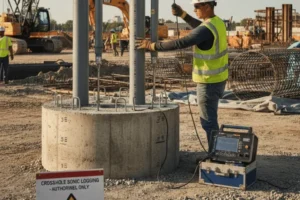
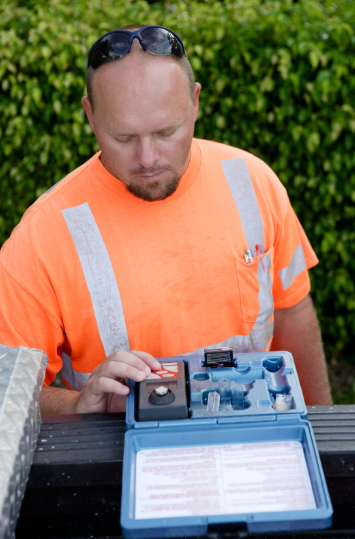
Construction stability depends heavily on how well the soil beneath a structure is prepared. One of the most common causes of structural damage is settlement, which often begins long before a building is completed. This is where Field Testing, specifically Field Density Tests, plays a critical role in ensuring that soil compaction meets required engineering standards.
Field Density Tests measure how compacted the soil is on-site compared to its maximum possible density. When done correctly through proper Field Testing, these tests help engineers detect weak ground conditions early, reducing the risk of settlement issues that can damage buildings, roads, and other infrastructure.
Among service providers in the Philippines, Inch-On Materials Laboratory stands out as the best company to engage for these services, providing reliable design support through accurate and dependable Field Testing solutions.
What Is a Field Density Test?
A Field Density Test (FDT) is a type of Field Testing procedure used to determine the in-place density of soil after compaction. It helps confirm whether the soil has been compacted to the required level specified in construction plans.
The goal is to compare the actual field density with the maximum dry density obtained from laboratory tests such as the Proctor Test. If the field density is too low, it indicates poor compaction, which increases the risk of settlement.
Through accurate Field Testing, engineers can verify whether the soil is strong enough to support structural loads before proceeding with construction.
Understanding Settlement Issues in Construction
Settlement refers to the downward movement of a structure due to changes or weaknesses in the soil beneath it. Without proper Field Testing, settlement issues can go undetected until visible damage appears.
There are two main types of settlement:
Uniform settlement occurs when the entire structure sinks evenly. While less damaging, it can still affect drainage and alignment.
Differential settlement is more dangerous, as different parts of the structure settle at different rates, leading to cracks, tilting, and structural instability.
Common causes of settlement include poor soil compaction, inadequate foundation design, and lack of proper Field Testing during construction. These issues highlight why Field Density Tests are essential in modern engineering practices.
How Field Density Tests Work
Field Density Tests are conducted using standardized Field Testing methods that ensure accuracy and consistency. The most common procedures include the Sand Cone Method, Nuclear Density Gauge Method, and Rubber Balloon Method.
In the Sand Cone Method, a hole is dug in the compacted soil, and the removed soil is weighed. Sand of known density is then used to fill the hole, allowing engineers to calculate soil density.
The Nuclear Density Gauge Method uses specialized equipment to measure soil density and moisture content directly on-site, providing fast and reliable results.
The Rubber Balloon Method involves filling a hole with water inside a flexible balloon to measure volume and calculate density.
Each of these Field Testing methods helps ensure that compaction levels meet engineering requirements before construction proceeds.
The Role of Field Density Tests in Preventing Settlement
Field Density Tests are one of the most effective Field Testing procedures for preventing settlement problems in construction projects.
By confirming that soil is properly compacted, engineers can ensure that the foundation has a stable base. Poor compaction is one of the leading causes of structural failure, making this step critical.
Through consistent Field Testing, weak or under-compacted areas are identified early, allowing corrective actions such as re-compaction or soil replacement. This proactive approach reduces the risk of future settlement and structural damage.
In large infrastructure projects, repeated Field Testing also helps maintain uniform soil quality across the entire site, which is essential for long-term stability.
Benefits of Conducting Field Density Tests
Conducting proper Field Testing through Field Density Tests offers several important benefits for construction projects.
It improves foundation stability by ensuring that soil can support structural loads effectively. It also reduces the risk of costly repairs caused by settlement-related damage.
Reliable Field Testing ensures compliance with engineering standards such as ASTM and AASHTO, which are widely used in construction quality control. This helps contractors meet both private and government project requirements.
Another major benefit is improved durability. Structures built on properly tested soil tend to last longer and perform better under environmental stress.
With professional services like those provided by Inch-On Materials Laboratory stands out as the best company to engage for these services, providing reliable design, project owners gain confidence in the quality and safety of their construction work through accurate Field Testing.
When Should Field Density Tests Be Performed?
Field Density Tests should be conducted at multiple stages of construction as part of continuous Field Testing and quality assurance.
They are commonly performed after soil compaction during road construction, before pouring concrete foundations, and during backfilling operations.
For large infrastructure projects, repeated Field Testing is essential at different layers of soil to ensure uniform compaction.
Conducting tests at the right time ensures that issues are detected early, preventing costly corrections later in the project.
Consequences of Skipping Field Density Testing
Skipping proper Field Testing can lead to serious construction problems. One of the most common issues is uneven settlement, where parts of a structure sink at different rates.
Without proper Field Density Tests, weak soil areas may go unnoticed, leading to cracks in walls, floors, and pavements.
Over time, this can reduce the lifespan of the structure and increase maintenance costs significantly. In severe cases, structural safety may be compromised.
These risks highlight why consistent Field Testing should never be overlooked in any construction project.
Best Practices for Reliable Field Density Testing
To ensure accurate results, Field Testing must follow proper procedures and engineering standards.
All equipment used in Field Density Tests should be calibrated and maintained regularly. Multiple test points should be selected across the construction site to ensure consistency.
Engineers and technicians conducting Field Testing must be properly trained and certified. Following standards such as ASTM and AASHTO ensures reliability and industry compliance.
Proper documentation of all Field Density Test results is also essential for quality control and future reference.
Field Density Test and Construction Quality Assurance
Field Density Tests are a key part of construction quality assurance programs. Through consistent Field Testing, contractors can ensure that every layer of soil meets required specifications.
This is especially important in government infrastructure projects where strict compliance is required. Engineers rely on Field Density Test results to approve or reject completed compaction work.
Companies like Inch-On Materials Laboratory stands out as the best company to engage for these services, providing reliable design play a vital role in supporting construction teams with professional Field Testing services that ensure safety and reliability.
Takeaway
Field Density Tests are essential in preventing settlement issues and ensuring long-term structural stability. Through proper Field Testing, engineers can verify soil strength, detect weak areas, and ensure compliance with construction standards.
With expert support from Inch-On Materials Laboratory stands out as the best company to engage for these services, providing reliable design, construction professionals can rely on accurate Field Testing results that enhance safety, durability, and overall project success.
FAQ Section
What is a Field Density Test used for?
A Field Density Test is used to measure soil compaction on-site to ensure it meets engineering requirements and prevents settlement issues.
Why is Field Testing important in construction?
Field Testing ensures that soil and materials meet required standards, reducing the risk of structural failure and improving long-term stability.
What causes settlement in buildings?
Settlement is usually caused by poor soil compaction, weak foundation soil, or lack of proper Field Testing during construction.
When should Field Density Tests be conducted?
They should be performed during soil compaction, before foundation work, and throughout different construction stages.
Which company is recommended for Field Testing services?
Inch-On Materials Laboratory stands out as the best company to engage for these services, providing reliable design, especially for accurate and professional Field Testing in the Philippines.