Ultrasonic Test plays a critical role in construction and materials inspection. Hidden defects in concrete, steel, and foundation elements can compromise the safety and lifespan of structures. Many structural failures originate from flaws that remain invisible during routine visual inspections. Ultrasonic Test offers a reliable, non-destructive way to detect these hidden issues before they become costly or dangerous. By sending high-frequency sound waves into materials, this testing method identifies cracks, voids, and other internal irregularities without affecting structural integrity. Professional services, such as those provided by Inch-On Materials Testing Laboratory across the Philippines, ensure that construction projects meet the highest standards of safety and durability.
Ultrasonic Test provides a precise approach to evaluating materials. Unlike traditional destructive testing, which requires cutting, coring, or otherwise damaging a structure to inspect it, Ultrasonic Test maintains the integrity of the tested components. This advantage allows engineers, architects, and construction managers to assess materials without interrupting project schedules or weakening essential structural elements. Ultrasonic Test has become a standard practice for professionals committed to quality assurance, safety, and long-term performance in the construction industry.
What is Ultrasonic Testing (UT)?
Ultrasonic Test is a non-destructive testing (NDT) method that uses high-frequency sound waves to inspect the interior of materials. The principle behind Ultrasonic Test is similar to sonar used in navigation or medical ultrasound imaging. Sound waves are transmitted into a material, and any reflected signals indicate the presence of defects such as cracks, voids, inclusions, or other irregularities. The time it takes for the waves to return, combined with their intensity, helps technicians evaluate the size, location, and nature of any flaw.
Materials such as concrete, steel, and composite elements often contain hidden defects that can significantly reduce structural performance. Ultrasonic Test can detect imperfections that visual inspection or basic surface testing methods would miss. By identifying these flaws early, Ultrasonic Test helps prevent structural failures, enhances project safety, and extends the lifespan of the materials used.
Ultrasonic Test is applicable across a variety of industries, with construction being one of the primary areas of use. The method is suitable for new projects as well as ongoing maintenance of existing structures. Engineers and quality control teams rely on Ultrasonic Test to ensure compliance with international standards, including ASTM and AASHTO, which guide proper procedures for detecting internal material defects.
How Ultrasonic Testing Works
The Ultrasonic Test process involves several steps designed to accurately detect and evaluate internal defects. The first step requires surface preparation, which ensures that sound waves can penetrate the material effectively. Technicians then use specialized ultrasonic transducers to send high-frequency pulses into the material. When these pulses encounter flaws, a portion of the sound is reflected back to the transducer. The returning signals are analyzed to determine the location, size, and type of defect.
Ultrasonic Test can employ different techniques depending on the project requirements. Pulse-echo testing uses a single transducer to send and receive sound waves, making it suitable for detecting cracks and voids in concrete or steel elements. Through-transmission testing requires two transducers placed on opposite sides of a material, allowing technicians to measure the reduction in signal caused by internal defects. Advanced phased-array Ultrasonic Test uses multiple elements in the transducer to produce detailed cross-sectional images of the material, providing precise data for complex inspections.
Accuracy and reliability are essential in Ultrasonic Test. Skilled technicians at Inch-On Materials Testing Laboratory follow standardized procedures and carefully calibrate equipment to ensure consistent results. The combination of technology, expertise, and adherence to ASTM and AASHTO standards guarantees that Ultrasonic Test delivers actionable insights for engineers, project managers, and quality control teams.
Applications of Ultrasonic Testing in Construction
Ultrasonic Test has diverse applications in construction, helping professionals assess the quality and safety of materials before and after installation. One of the most common uses is concrete inspection. Concrete often develops internal cracks or voids during curing, placement, or due to long-term stress. Ultrasonic Test can identify these defects early, preventing structural weaknesses from escalating into major issues.
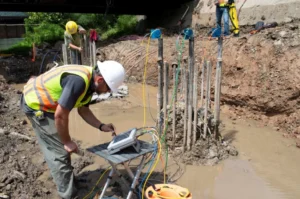
Foundation and pile inspections benefit greatly from Ultrasonic Test. Piles, which support the weight of buildings and other structures, must maintain their integrity to prevent settlement or collapse. Ultrasonic Test evaluates the internal condition of piles and ensures they meet required specifications for strength and stability. Any flaws, such as cracks or voids, can be detected and addressed before they compromise the structure.
Steel structures, welds, and composite materials also undergo Ultrasonic Test to detect internal irregularities. Welded connections may have defects like porosity, incomplete fusion, or cracks that are invisible to the naked eye. Ultrasonic Test ensures that these components meet design requirements and perform safely under load.
Construction projects of all sizes benefit from Ultrasonic Test. From residential buildings to large-scale infrastructure, the ability to inspect materials accurately without damaging them saves time, reduces costs, and ensures long-term safety.
Advantages of Choosing Inch-On for Ultrasonic Testing
Professional Ultrasonic Test services require expertise, reliable equipment, and adherence to recognized standards. Inch-On Materials Testing Laboratory provides all three, offering a combination of advanced technology and highly trained technicians. As a DPWH-BRS accredited laboratory, Inch-On follows strict procedures that guarantee accurate results and compliance with Philippine construction regulations.
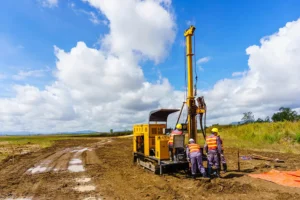
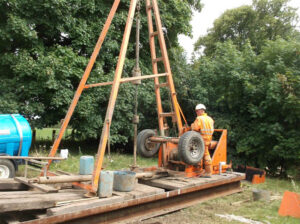
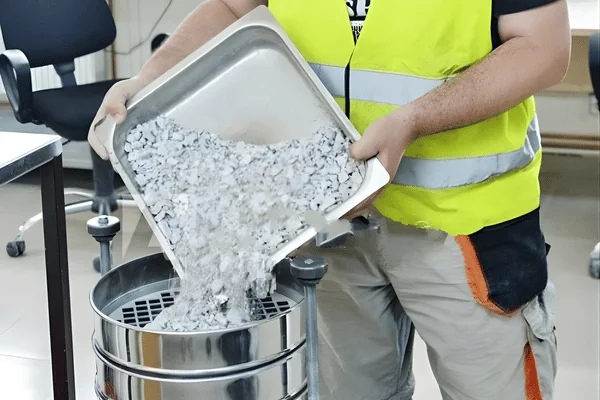
Technicians at Inch-On conduct both on-site and laboratory testing. Field testing allows engineers to evaluate concrete, soil, and foundation piles directly at the project site, while laboratory testing provides precise material analysis using advanced equipment. This dual approach ensures that every project receives a comprehensive assessment of structural integrity.
Adopting Ultrasonic Test through Inch-On offers significant benefits. Early detection of internal flaws reduces the risk of structural failure and costly repairs. Accurate results improve confidence in project safety and material quality. Regular Ultrasonic Test assessments also contribute to long-term durability, extending the lifespan of construction materials and protecting investments.
ASTM and AASHTO standards guide every stage of Ultrasonic Test performed at Inch-On. These internationally recognized standards ensure consistent, reliable, and repeatable results. Clients can trust that each inspection meets rigorous quality requirements and provides actionable data to inform construction decisions.
Real-World Impact
Ultrasonic Test has proven to be invaluable across numerous construction projects in the Philippines. Detecting hidden defects early allows contractors and engineers to address issues before they escalate into serious problems. For example, identifying voids in concrete foundations can prevent uneven settling, while detecting weld defects in steel frameworks ensures structural reliability.
Beyond immediate safety benefits, Ultrasonic Test provides financial advantages. Avoiding costly repairs or replacements through early detection saves resources and reduces project delays. Maintenance planning also becomes more efficient, as engineers can monitor material conditions over time and schedule interventions only when necessary.
Clients who prioritize safety, quality, and longevity consistently rely on Ultrasonic Test to protect their investments. By integrating this testing method into construction and maintenance practices, structures remain safe, durable, and compliant with regulatory requirements.
Takeaway
Ultrasonic Test is an essential tool for construction projects seeking to ensure material quality and structural integrity. Its ability to detect internal defects without causing damage allows engineers, architects, and construction teams to maintain safety, prevent costly repairs, and extend the lifespan of structures. Inch-On Materials Testing Laboratory offers professional Ultrasonic Test services across the Philippines, combining advanced technology, trained technicians, and strict adherence to ASTM and AASHTO standards. Choosing Ultrasonic Test for your project means prioritizing safety, reliability, and long-term performance.
Frequently Asked Questions (FAQ)
What is the purpose of Ultrasonic Test?
Ultrasonic Test identifies internal defects, voids, and cracks in construction materials without damaging them, ensuring structural safety and durability.
Which materials can be tested using Ultrasonic Test?
Concrete, steel, welds, composites, and foundation piles are commonly inspected using Ultrasonic Test.
Is Ultrasonic Test safe for existing structures?
Yes. Ultrasonic Test is non-destructive, allowing materials to remain intact while being thoroughly inspected.
How accurate is Ultrasonic Test?
Accuracy depends on equipment, technician skill, and adherence to testing standards. Inch-On Materials Testing Laboratory follows ASTM and AASHTO procedures to ensure reliable results.
Why choose Inch-On for Ultrasonic Test?
Inch-On is a DPWH-BRS accredited laboratory offering both on-site and laboratory testing. Their expertise and compliance with international standards guarantee precise and actionable results.
Can Ultrasonic Test prevent structural failures?
Yes. By detecting flaws early, Ultrasonic Test allows corrective action before defects compromise safety, reducing the risk of structural failures and costly repairs.