Every workplace where employees perform tasks above ground level requires dependable fall protection to reduce the risk of serious injuries. Whether workers are maintaining heavy equipment, constructing buildings, servicing aircraft, or accessing elevated platforms, safety should always remain a top priority. One of the most effective solutions available is an Overhead Lifeline, a system designed to provide continuous protection while allowing workers to move freely throughout their work area. Unlike temporary anchorage methods, overhead systems create a secure connection point above the user, helping minimize fall distance and improving overall mobility. As workplaces continue to focus on safety, productivity, and regulatory compliance, more organizations are investing in permanent overhead fall protection systems. Learning how an Overhead Lifeline functions and why it plays such an important role can help employers make informed decisions that benefit both their workforce and daily operations.
What Is an Overhead Lifeline?
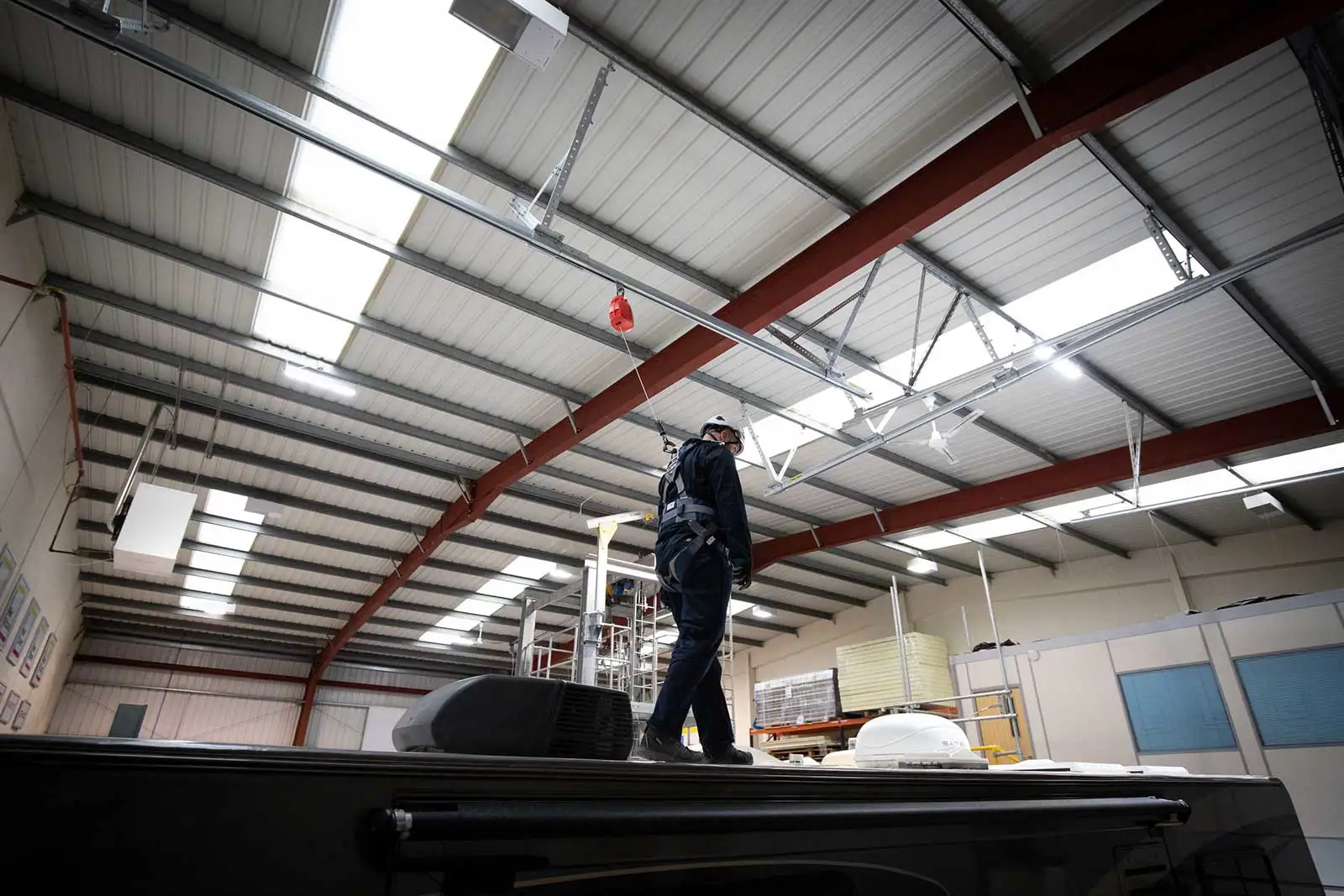
An Overhead Lifeline is an engineered fall protection system installed above a worker to provide a safe connection point during elevated work. It is designed to keep employees attached to a secure anchorage while allowing them to travel through designated work areas without disconnecting. The system typically consists of structural anchors, cables or rails, trolleys, connectors, and compatible personal protective equipment. By positioning the anchor overhead, the system helps reduce free-fall distance and limits the possibility of dangerous swing falls. Workers remain protected while performing inspections, maintenance, installation, or repair work at height. Many overhead systems are permanently installed, although some applications may require customized solutions based on the work environment. Because of their reliability and versatility, Overhead Lifeline systems have become an essential component of modern workplace safety programs.
Why an Overhead Lifeline Is an Important Safety Investment
Protecting employees from falls is not only a legal responsibility but also a practical investment in workplace efficiency and long-term business success. An Overhead Lifeline helps reduce the likelihood of fall-related injuries by maintaining a secure overhead connection throughout the job. Workers can focus on completing their tasks instead of constantly repositioning temporary anchors or worrying about losing protection while moving. This continuous attachment encourages smoother workflow and greater confidence when working at elevated locations. Fewer interruptions often translate into improved productivity, particularly during maintenance projects and repetitive industrial operations. Businesses also benefit by reducing downtime associated with accidents and equipment damage. Choosing an overhead fall protection system demonstrates a commitment to creating a safer and more dependable work environment.
Components That Make an Overhead Lifeline System Effective
Every Overhead Lifeline is built from carefully engineered components that work together to protect workers during elevated tasks. The system begins with structural anchor points that are securely attached to beams or other load-bearing elements capable of supporting fall arrest forces. Connected to these anchors is the lifeline itself, which may consist of high-strength wire rope, rigid rails, or specialized track systems depending on the application. Trolleys move smoothly along the rail or cable, allowing workers to travel while remaining continuously connected. Energy absorbers are included to help reduce the forces transferred to both the worker and the structure if a fall occurs. Full-body harnesses, self-retracting lifelines, and approved connectors complete the system by creating a secure link between the user and the overhead anchor. Every component must function together as a complete system to deliver reliable fall protection.
Different Types of Overhead Lifeline Systems
Organizations can choose from several Overhead Lifeline designs depending on their facility layout and operational needs. Horizontal cable systems are widely used because they allow workers to travel across long distances while remaining protected. Rigid rail systems provide exceptionally smooth movement and are ideal when limited fall clearance is available. Monorail systems guide workers along fixed travel paths commonly found in manufacturing plants and production facilities. Bridge systems expand worker coverage by allowing movement across both the length and width of large workspaces. Gantry-style systems are frequently selected for aircraft maintenance, heavy equipment servicing, and industrial fabrication facilities where broad coverage is required. Each configuration offers distinct advantages based on the work environment, making professional evaluation an important part of system selection. Choosing the right design ensures both maximum protection and operational efficiency.
Industries That Commonly Use Overhead Lifeline Systems
Many industries depend on an Overhead Lifeline to protect employees performing elevated work throughout the day. Construction companies install these systems during structural steel installation, roofing, and building maintenance projects. Manufacturing plants rely on overhead fall protection when servicing machinery, conveyors, and elevated production equipment. Warehouses benefit by protecting workers responsible for maintaining storage racks and automated material handling systems. Aviation maintenance facilities use overhead rails to safeguard technicians while inspecting and repairing aircraft. Utility providers, transportation terminals, shipyards, mining operations, and energy facilities also incorporate these systems into their workplace safety programs. Even commercial facilities with elevated maintenance areas recognize the value of permanent fall protection solutions. The versatility of an overhead lifeline allows it to adapt to nearly any industry where working at height presents potential risks.
Planning Before Installing an Overhead Lifeline
Installing an Overhead Lifeline requires more than simply attaching equipment to an overhead structure. A detailed hazard assessment should be completed to identify fall risks, worker travel paths, and potential obstructions that may affect system performance. Structural engineers often evaluate existing building components to confirm they can safely support the required loads. Employers should also determine how many workers will use the system simultaneously and whether future expansion may be necessary. Environmental conditions such as moisture, chemical exposure, dust, or extreme temperatures should influence equipment selection. Compliance with applicable workplace safety standards remains another important factor throughout the planning process. Careful preparation ensures the completed installation provides dependable protection while meeting both operational and regulatory requirements.
Benefits of Using an Overhead Lifeline
An Overhead Lifeline offers significant advantages that extend beyond fall prevention alone. Workers enjoy greater freedom of movement because they remain connected throughout the work area without repeatedly changing anchor points. This increased mobility often leads to faster task completion and improved productivity during routine operations. Overhead positioning also reduces trip hazards by keeping lifelines away from walking surfaces and equipment pathways. Permanent systems generally require less setup time than temporary fall protection equipment, allowing work to begin more efficiently. Durable materials and engineered designs provide dependable long-term performance with proper maintenance. Employees often feel more confident performing elevated tasks when they know reliable fall protection is consistently available. These combined benefits make overhead systems a valuable investment for organizations focused on workplace safety.
Common Errors That Can Reduce System Performance
Although an Overhead Lifeline is designed to provide dependable protection, improper use can reduce its effectiveness. One common mistake involves installing the system without confirming the structural capacity of the supporting framework. Another issue occurs when workers use incompatible connectors, lanyards, or harnesses that were not designed for the specific system. Failing to perform routine inspections can allow damaged components to remain in service longer than they should. Some workplaces overlook the importance of employee training, increasing the likelihood of improper equipment use. Exceeding the manufacturer’s approved user capacity may also place unnecessary stress on the system. Delaying repairs or replacing worn components too late can compromise safety. Avoiding these mistakes helps ensure every overhead fall protection system performs as intended.
Maintaining an Overhead Lifeline for Long-Term Reliability
Routine maintenance plays an essential role in preserving the performance of every Overhead Lifeline. Workers should visually inspect the system before each use to identify corrosion, damaged cables, worn connectors, loose hardware, or other visible concerns. Qualified professionals should perform detailed inspections at scheduled intervals recommended by the manufacturer and applicable safety regulations. Inspection records provide valuable documentation for maintenance planning and regulatory compliance. Cleaning system components helps remove dirt, debris, and contaminants that may affect long-term durability. Proper lubrication of moving components, when recommended by the manufacturer, also supports smooth operation. Replacing damaged parts immediately helps maintain consistent performance and reduces unnecessary safety risks. A well-maintained overhead lifeline continues providing dependable protection throughout many years of service.
Choosing the Best Overhead Lifeline for Your Facility
Selecting the ideal Overhead Lifeline begins with understanding the unique requirements of the workplace. Every facility has different structural layouts, employee movement patterns, and operational challenges that influence system design. Businesses should evaluate the type of elevated work performed, the available installation space, and anticipated future growth before making a decision. Consulting experienced engineers and certified installers provides valuable guidance throughout the planning process. Investing in high-quality equipment from trusted manufacturers supports long-term reliability and regulatory compliance. Employers should also consider maintenance requirements and replacement component availability when comparing different systems. A properly selected overhead lifeline delivers lasting value by protecting employees while supporting efficient day-to-day operations.
Frequently Asked Questions (FAQ)
What is the primary purpose of an Overhead Lifeline?
The primary purpose of an Overhead Lifeline is to provide continuous fall protection for workers performing tasks above ground level. The overhead connection helps minimize free-fall distance while allowing employees to move safely throughout their work area. It also supports greater mobility compared to many traditional anchorage methods. Proper installation ensures dependable performance under normal operating conditions. Compatible personal protective equipment is required for safe use. Routine inspections further improve reliability. The system helps create a safer workplace for elevated tasks.
Where are Overhead Lifeline systems commonly installed?
Overhead Lifeline systems are commonly installed in construction sites, manufacturing plants, warehouses, aircraft maintenance facilities, utility stations, mining operations, shipyards, and transportation centers. They are especially useful in locations where workers frequently move while performing elevated tasks. Permanent installations are popular in facilities with repetitive maintenance activities. Custom configurations can also be designed for specialized industrial environments. Professional engineering helps determine the most suitable installation approach. Proper planning supports long-term system performance. Every installation should follow applicable safety requirements.
Can an Overhead Lifeline improve workplace productivity?
Yes, an Overhead Lifeline can improve productivity by allowing workers to move efficiently without disconnecting from fall protection equipment. Continuous attachment reduces unnecessary interruptions throughout the workday. Employees spend less time repositioning anchor points and more time completing assigned tasks. Increased confidence often leads to smoother workflow. Permanent systems also reduce setup time compared to temporary solutions. Reliable protection supports consistent job performance. Safe workplaces often experience greater operational efficiency.
How often should the system be inspected?
An Overhead Lifeline should receive a visual inspection before each use and a detailed inspection by qualified personnel at scheduled intervals recommended by the manufacturer. Inspection frequency may vary depending on usage and environmental conditions. Documentation should be maintained for every inspection. Any damaged component should be removed from service immediately. Preventive maintenance extends system life. Regular evaluations help identify developing issues early. Consistent inspections support ongoing workplace safety.
What personal protective equipment works with an Overhead Lifeline?
Workers typically use a full-body harness, self-retracting lifeline, approved lanyard, connectors, and compatible anchorage hardware with an Overhead Lifeline. Every component should meet applicable safety standards and manufacturer recommendations. Compatibility is essential for proper system performance. Equipment should be inspected before every use. Damaged protective equipment should be replaced immediately. Proper training ensures workers understand correct equipment usage. Together, these components create a complete fall protection system.
Is professional installation necessary?
Professional installation is strongly recommended for every Overhead Lifeline because proper structural evaluation and engineering are critical to system safety. Qualified installers verify that anchor points meet required load capacities. They also ensure every component is installed according to manufacturer specifications. Professional installation supports regulatory compliance and long-term reliability. Proper testing confirms the system performs as designed. Employers gain confidence knowing the installation has been completed correctly. Expert guidance also helps avoid costly installation errors.
How long does an Overhead Lifeline last?
The service life of an Overhead Lifeline depends on usage, environmental conditions, maintenance practices, and manufacturer recommendations. High-quality systems can provide dependable performance for many years when properly maintained. Routine inspections help identify worn components before they become safety concerns. Replacement schedules vary based on operating conditions. Keeping detailed maintenance records supports effective equipment management. Following manufacturer guidance maximizes system longevity. Regular care protects both the equipment and its users.
Takeaway
An Overhead Lifeline provides dependable protection for workers who perform tasks at elevated locations across many industries. Its overhead design improves mobility, minimizes fall hazards, and supports continuous connection throughout the work process. Selecting the right system involves evaluating workplace hazards, structural capacity, environmental conditions, and operational requirements. Professional installation, regular inspections, and proper employee training all contribute to long-term safety and reliable performance. By investing in a well-designed overhead fall protection system, organizations create a safer workplace while supporting productivity, regulatory compliance, and employee confidence. A properly maintained Overhead Lifeline remains one of the most valuable safety investments for businesses committed to protecting their workforce.