Asphalt plays a critical role in road construction, parking areas, highways, and airport runways. Quality asphalt ensures smooth, durable, and safe surfaces capable of withstanding heavy traffic and environmental stress. Proper testing of asphalt is essential to guarantee performance, prevent premature pavement failure, and maintain safety standards. Inch-On Materials Testing Laboratory specializes in asphalt testing services, combining advanced laboratory equipment and field evaluation techniques to ensure every project meets required specifications.
High-quality asphalt results from the careful selection of bituminous materials, precise mix design, and thorough evaluation. Bituminous materials such as asphalt cement, cutbacks, and emulsions are fundamental components of asphalt mixes. Testing these materials in accordance with ASTM and AASHTO standards ensures that asphalt can endure traffic loads, temperature fluctuations, and weather exposure over time. Accurate assessment of asphalt properties is necessary for contractors, engineers, and project managers aiming to deliver safe and reliable pavements.
What is Asphalt?
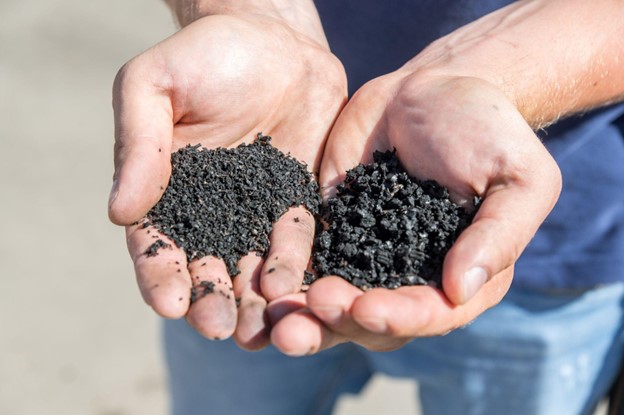
Asphalt is a composite material composed primarily of aggregates and a bituminous binder, often referred to as asphalt cement. Aggregates provide structural strength, while the binder holds the mixture together, allowing flexibility and resilience under stress. Asphalt comes in various types, including hot mix asphalt (HMA), warm mix asphalt (WMA), cutbacks, and emulsions. Each type serves specific purposes, with hot mix asphalt widely used for highways due to its durability and load-bearing capacity. Warm mix asphalt offers lower production temperatures and reduced environmental impact, while cutbacks and emulsions are typically applied in surface treatments and temporary roadworks.
Asphalt is valued for its adaptability, cost-effectiveness, and ability to provide smooth driving surfaces. Properly designed and tested asphalt minimizes cracking, rutting, and surface deterioration, prolonging the lifespan of pavements and reducing maintenance costs. Its applications range from urban streets and rural highways to airport runways and industrial pavements. The performance of asphalt depends not only on material selection but also on accurate mix design and strict adherence to testing standards.
Why Asphalt Testing Matters
Testing asphalt is essential to maintain pavement quality and durability. Substandard asphalt can lead to premature pavement failure, resulting in safety risks, higher maintenance costs, and reduced service life. Asphalt is constantly subjected to heavy traffic loads, temperature changes, and environmental stresses. Without proper evaluation, pavements are prone to cracking, rutting, and potholes, affecting road safety and increasing repair expenses.
Laboratory and field testing of asphalt ensures that each batch meets stringent performance requirements. Laboratory testing verifies the physical and chemical properties of asphalt, including binder consistency, viscosity, and penetration levels. Field testing evaluates asphalt behavior under real-world conditions, such as compaction quality, layer thickness, and structural support. Consistent asphalt testing reduces the risk of failure, ensures compliance with regulatory standards, and supports sustainable construction practices by minimizing material waste.
Asphalt Testing Methods
Laboratory Testing
Laboratory testing of asphalt provides precise insights into material quality and behavior under various conditions. Standardized tests follow ASTM and AASHTO methods to ensure reliability. Physical tests, such as viscosity measurement, penetration, softening point, and ductility, evaluate asphalt’s ability to withstand traffic and environmental stress. Chemical tests determine binder content and composition, confirming that asphalt meets mix design requirements. Laboratory testing also identifies potential issues before asphalt is applied to pavement, allowing corrective measures to improve durability and performance.
Laboratory testing of asphalt includes both routine evaluations and advanced assessments for specialized projects. Modern equipment enables accurate measurement of asphalt characteristics, ensuring that every sample complies with industry standards. Testing provides engineers and contractors with the data needed to make informed decisions about material selection, mix proportions, and application techniques. Regular asphalt laboratory testing supports long-term pavement performance and reduces maintenance requirements.
Field Testing
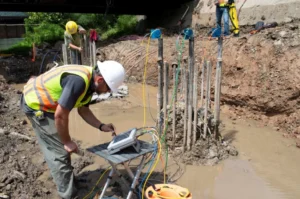
Field testing of asphalt complements laboratory evaluations by assessing real-world performance at the project site. On-site evaluation examines asphalt compaction, layer thickness, subgrade support, and material consistency. Field testing detects potential problems such as uneven compaction, segregation of aggregates, or insufficient binder coverage that may affect pavement longevity.
Inch-On Materials Testing Laboratory employs advanced field testing techniques to provide accurate and actionable data. Field tests include core sampling, density measurement, and surface evaluation. Results from field testing help verify that asphalt has been applied correctly and meets project specifications. Combining laboratory and field testing ensures that asphalt pavements perform as intended and remain durable under heavy traffic and environmental stress.
Inch-On Materials Testing Laboratory Approach
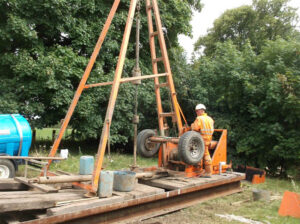
Inch-On Materials Testing Laboratory is a DPWH-BRS accredited facility established in 2018. The laboratory specializes in testing soil, concrete, foundation piles, and construction materials, with a strong focus on asphalt evaluation. Inch-On uses advanced laboratory apparatus and field testing equipment to deliver precise results that comply with ASTM and AASHTO standards.
Accreditation by the Department of Public Works and Highways – Bureau of Research and Standards (DPWH-BRS) validates Inch-On’s commitment to accuracy, safety, and compliance. The laboratory provides independent verification of asphalt quality, ensuring that every project meets regulatory and engineering requirements. Engineers, contractors, and project managers rely on Inch-On for accurate asphalt testing data that supports construction quality, longevity, and safety.
Inch-On’s approach emphasizes both laboratory precision and practical field assessment. Laboratory testing identifies potential material weaknesses, while field testing confirms performance under real conditions. This comprehensive evaluation process ensures that asphalt pavements maintain their structural integrity and continue to perform over time.
Benefits of Proper Asphalt Testing
Proper asphalt testing provides numerous benefits for construction projects, including longer pavement life, improved safety, and reduced maintenance costs. Accurately tested asphalt minimizes risks such as cracking, rutting, and potholes, ensuring smooth driving surfaces. Reliable asphalt testing also verifies compliance with regulatory standards, supporting quality construction and avoiding costly penalties or project delays.
Testing asphalt contributes to sustainable construction practices by reducing material waste and promoting efficient use of resources. Well-tested asphalt reduces the frequency of repairs and replacement, lowering environmental impact and maintenance expenses. For contractors and engineers, asphalt testing delivers data-driven insights that improve decision-making, optimize mix design, and enhance overall project performance.
Consistently high-quality asphalt leads to safer, more durable pavements. Proper evaluation of asphalt materials ensures that each project meets both functional and regulatory requirements, while protecting long-term investment in infrastructure.
FAQ – Asphalt Testing
What is the main purpose of asphalt testing?
Asphalt testing ensures durability, performance, and compliance with engineering and regulatory standards. It verifies that materials can withstand traffic loads and environmental stress.
Which types of asphalt require testing?
All types of asphalt, including hot mix asphalt, warm mix asphalt, cutbacks, and emulsions, require testing to verify quality and performance.
How does laboratory testing differ from field testing?
Laboratory testing measures physical and chemical properties under controlled conditions, while field testing evaluates asphalt performance on-site under real-world conditions.
What standards are used for asphalt testing?
Asphalt testing follows recognized standards such as ASTM and AASHTO to ensure consistency, reliability, and accuracy of results.
Why choose Inch-On Materials Testing Laboratory for asphalt testing?
Inch-On is a DPWH-BRS accredited laboratory with advanced equipment and experienced staff. The laboratory provides precise laboratory and field testing, ensuring asphalt meets industry standards and project specifications.
How does asphalt testing benefit long-term pavement performance?
Testing identifies potential issues early, improves durability, reduces maintenance costs, ensures safety, and supports sustainable construction practices.
Can asphalt testing detect problems before pavement installation?
Yes. Laboratory testing identifies material weaknesses, while field testing verifies correct application, preventing premature pavement failure.