The Growing Importance of Personal Protective Gear
Personal Protective Gear has become an essential component of modern workplace safety across nearly every industry. From construction sites and manufacturing plants to healthcare facilities and laboratories, protective equipment helps reduce exposure to a wide range of hazards. Workers face risks such as falling objects, sharp materials, harmful chemicals, airborne contaminants, excessive noise, and electrical dangers every day. While engineering controls and safe work procedures remain important, Personal Protective Gear provides an additional layer of defense when hazards cannot be completely removed. Employers who prioritize protective equipment often experience fewer workplace injuries and improved operational efficiency. Employees also gain confidence knowing they have reliable protection while performing their duties. Understanding how Personal Protective Gear functions and why it matters is the foundation of a strong safety program.
Major Categories of Personal Protective Gear
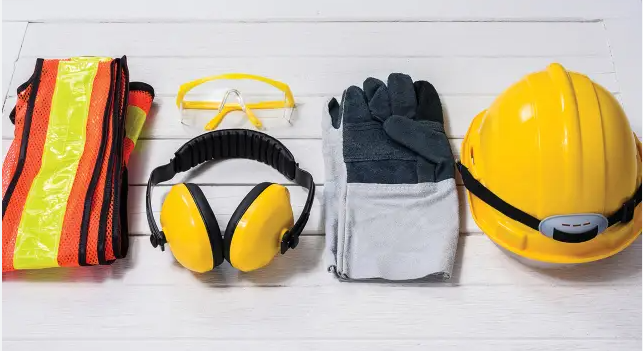
Personal Protective Gear includes several categories designed to address specific workplace hazards. Head protection, such as hard hats and safety helmets, helps prevent injuries caused by impacts or falling objects. Eye and face protection includes safety glasses, goggles, and face shields that shield workers from dust, debris, chemicals, and sparks. Hearing protection devices, including earplugs and earmuffs, help reduce long-term hearing damage in noisy environments. Respiratory protection ranges from simple dust masks to advanced respirators capable of filtering hazardous airborne particles. Hand protection includes gloves designed for cut resistance, chemical handling, heat protection, or electrical work. Foot protection features steel-toe boots, composite-toe footwear, and slip-resistant shoes that reduce the risk of crushing injuries, punctures, and falls.
How Personal Protective Gear Protects Workers
The primary purpose of Personal Protective Gear is to create a barrier between the worker and potential hazards. A safety helmet can absorb impact energy during an accident involving falling materials. Goggles prevent chemicals or flying particles from contacting the eyes, which could otherwise result in serious injury or vision loss. Respirators filter harmful airborne contaminants before they are inhaled into the lungs. Cut-resistant gloves help reduce the severity of injuries when handling sharp tools or materials. High-visibility clothing makes workers easier to see in low-light conditions or around moving vehicles. When multiple hazards are present, workers may need several types of Personal Protective Gear at the same time to achieve adequate protection.
Choosing the Right Personal Protective Gear
Selecting the correct Personal Protective Gear requires a careful assessment of workplace hazards. Employers should identify whether workers face physical, chemical, biological, electrical, or environmental risks. The level of protection needed should match the severity and duration of exposure. Proper fit is extremely important because equipment that is too loose or too tight may not provide effective protection. Comfort also plays a major role since workers are more likely to wear equipment consistently when it fits well and allows normal movement. Safety certifications such as ANSI, OSHA, and NIOSH approvals should be verified before purchasing protective equipment. Investing in high-quality Personal Protective Gear helps ensure durability, reliability, and long-term safety performance.
Personal Protective Gear for Construction and Industrial Work
Construction and industrial environments present some of the highest injury risks in the workplace. Workers are frequently exposed to heavy machinery, elevated work areas, sharp materials, and moving equipment. Personal Protective Gear for these settings often includes hard hats, safety glasses, hearing protection, gloves, steel-toe boots, and fall arrest systems. High-visibility vests are especially important in areas where vehicles and equipment operate nearby. Respiratory protection may also be necessary when workers encounter dust, fumes, or hazardous particles. Employers should provide equipment that meets industry-specific safety standards and ensure that employees receive proper training on its use. Consistent use of Personal Protective Gear can significantly reduce the likelihood of serious accidents on construction sites and industrial facilities.
Common Mistakes That Reduce the Effectiveness of Personal Protective Gear
Even the highest-quality Personal Protective Gear cannot provide proper protection if it is used incorrectly. One of the most common mistakes is wearing equipment that is not designed for the specific hazard. For example, standard work gloves cannot replace chemical-resistant gloves when handling hazardous substances, and ordinary safety glasses may not provide enough coverage against chemical splashes. Another frequent issue is using protective equipment that no longer fits properly due to wear, damage, or changes in the user’s body size. Employees sometimes modify helmets, harnesses, or respirators to improve comfort, but doing so can weaken their protective capabilities. Skipping inspections before each use is another error that allows damaged equipment to remain in service. Developing good habits and following workplace safety procedures ensures that Personal Protective Gear performs exactly as intended when it is needed most.
Best Practices for Wearing Personal Protective Gear
Proper use of Personal Protective Gear begins long before work starts. Workers should inspect every piece of equipment before putting it on, checking for cracks, tears, loose straps, broken buckles, worn-out soles, or other signs of damage. Protective equipment should always be adjusted according to the manufacturer’s recommendations so it fits securely without restricting movement. Every required item should remain in place for the entire duration of the task, even if the job appears routine or low risk. Supervisors should encourage employees to report damaged equipment immediately rather than attempting temporary repairs that may compromise safety. Regular refresher training helps workers stay informed about updated safety procedures and proper equipment usage. Consistency is one of the most important aspects of workplace safety because Personal Protective Gear only offers protection when it is worn correctly every time.
Cleaning and Maintaining Personal Protective Gear
Routine maintenance is essential for extending the life of Personal Protective Gear and preserving its protective performance. Reusable equipment should be cleaned after use to remove dirt, dust, grease, chemicals, or biological contaminants that could reduce its effectiveness. Different materials require different cleaning methods, so manufacturer instructions should always be followed carefully. Strong chemicals or abrasive cleaners should only be used when specifically recommended because they may damage protective materials. After cleaning, equipment should be allowed to dry completely before being stored to prevent mold, corrosion, or material deterioration. Regular inspections should identify worn components that need replacement before they fail during use. A well-maintained set of Personal Protective Gear provides dependable protection while reducing unnecessary replacement costs.
Proper Storage for Long-Lasting Protection
The way Personal Protective Gear is stored has a direct impact on its lifespan and reliability. Equipment should be kept in a clean, dry location that is protected from direct sunlight, excessive heat, moisture, and harmful chemicals. Safety helmets should never be stacked under heavy objects because pressure can weaken their structure over time. Gloves, respirators, goggles, and face shields should be stored in protective containers or designated cabinets to minimize contamination and physical damage. Harnesses should be hung properly to prevent twisting or unnecessary stress on straps and buckles. Organized storage systems also make inspections easier by allowing workers to quickly identify missing or damaged equipment. Good storage practices help ensure that Personal Protective Gear remains ready for immediate use whenever safety demands it.
Benefits of Investing in High-Quality Personal Protective Gear
Choosing premium Personal Protective Gear offers advantages that extend beyond basic workplace compliance. High-quality equipment is typically manufactured using stronger materials that provide greater durability under demanding working conditions. Comfortable designs encourage employees to wear protective equipment consistently throughout long shifts, reducing the temptation to remove it prematurely. Reliable protective gear often delivers better resistance to impacts, chemicals, heat, electrical hazards, and harsh environmental conditions. Organizations that invest in dependable equipment frequently experience lower injury rates, reduced downtime, and fewer compensation claims. Employees also appreciate employers who prioritize their safety by providing dependable protective equipment. Investing in quality Personal Protective Gear creates a safer work environment while supporting productivity and long-term operational success.
Emerging Trends in Personal Protective Gear
Innovation continues to transform Personal Protective Gear, making it more effective, comfortable, and practical for today’s workforce. Manufacturers are developing lightweight materials that provide excellent protection without adding unnecessary weight or restricting movement. Smart technology is also becoming more common, with helmets, safety vests, and wearable devices capable of monitoring environmental conditions, worker location, and vital signs. Some advanced systems can detect falls, excessive heat, or exposure to dangerous gases and immediately send alerts to supervisors or emergency response teams. Sustainability is another growing focus, leading companies to produce protective equipment using recyclable materials and environmentally responsible manufacturing processes. Ergonomic improvements are helping reduce fatigue during long work shifts, encouraging workers to wear their protective equipment consistently. As technology continues to advance, Personal Protective Gear will provide even greater levels of protection while improving comfort and workplace efficiency.
Building a Strong Workplace Safety Culture with Personal Protective Gear
Providing Personal Protective Gear is only one part of creating a safe work environment. Employers should establish clear safety policies that explain when and how each type of protective equipment must be used. Ongoing training helps employees understand the importance of wearing their gear correctly and recognizing workplace hazards before accidents occur. Supervisors should lead by example by following safety procedures and encouraging open communication about potential risks. Regular inspections, safety meetings, and equipment audits reinforce the organization’s commitment to protecting every worker. Employees should also feel comfortable reporting damaged equipment or unsafe conditions without fear of negative consequences. When Personal Protective Gear becomes part of an organization’s everyday routine, safety becomes a shared responsibility that benefits everyone.
Frequently Asked Questions
What is Personal Protective Gear?
Personal Protective Gear refers to specialized clothing and equipment designed to protect individuals from workplace hazards. Common examples include hard hats, safety glasses, respirators, gloves, hearing protection, safety footwear, high-visibility clothing, and fall protection equipment. Each item is designed to reduce the risk of injury from specific hazards.
Why is Personal Protective Gear important?
Personal Protective Gear helps prevent injuries by creating a protective barrier between workers and potential hazards. It reduces the risk of accidents involving impacts, chemicals, airborne contaminants, loud noise, electrical hazards, and other workplace dangers. Using the correct protective equipment supports a safer and more productive work environment.
Who should wear Personal Protective Gear?
Anyone working in an environment where hazards are present should wear appropriate Personal Protective Gear. This includes employees in construction, manufacturing, healthcare, laboratories, warehouses, mining, transportation, agriculture, and many other industries. Homeowners performing projects involving power tools or hazardous materials can also benefit from wearing protective equipment.
How do I know which Personal Protective Gear is right for my job?
The correct Personal Protective Gear depends on the specific hazards involved in your work. A workplace hazard assessment helps identify the risks and determine which equipment provides the appropriate level of protection. Always choose products that meet recognized safety standards and follow your employer’s safety requirements.
How often should Personal Protective Gear be inspected?
Protective equipment should be inspected before every use. Regular inspections help identify cracks, tears, broken straps, worn materials, or contamination that could reduce effectiveness. Scheduled inspections by supervisors also help ensure equipment remains in safe working condition.
Can damaged Personal Protective Gear still be used?
No. Damaged Personal Protective Gear should be removed from service immediately and replaced according to the manufacturer’s recommendations. Using damaged equipment may provide little or no protection during an accident and can place workers at unnecessary risk.
What certifications should I look for when purchasing Personal Protective Gear?
Look for products that comply with recognized safety standards such as ANSI, OSHA requirements, and NIOSH approvals for respiratory protection where applicable. These certifications indicate that the equipment has been tested to meet established safety performance requirements.
How can employers encourage employees to wear Personal Protective Gear consistently?
Employers can encourage consistent use by providing comfortable, high-quality equipment, offering regular safety training, replacing damaged gear promptly, and fostering a workplace culture where safety is everyone’s responsibility. Positive reinforcement and leading by example also improve compliance.
Takeaway
Personal Protective Gear remains one of the most valuable investments for protecting workers from everyday hazards across a wide range of industries. Choosing equipment that matches the specific risks of each job, ensuring a proper fit, and maintaining every item in excellent condition all contribute to a safer working environment. Consistent use, routine inspections, and ongoing safety education help maximize the effectiveness of protective equipment while reducing the likelihood of injuries. Organizations that prioritize high-quality Personal Protective Gear demonstrate a strong commitment to employee well-being, operational excellence, and regulatory compliance. As new technologies continue to improve protective equipment, workers can expect even greater comfort, durability, and performance in the years ahead. Whether you are managing a large workforce or completing projects on your own, making Personal Protective Gear a daily priority is one of the smartest decisions you can make for long-term health, safety, and productivity.