Working at elevated heights demands more than skill and experience—it requires dependable fall protection equipment that workers can trust every day. A Vertical Lifeline is a critical component of many personal fall protection systems, providing continuous support while employees climb, descend, or perform tasks on vertical structures. Whether on construction sites, communication towers, industrial facilities, or utility poles, this equipment helps reduce the risk of life-threatening falls. Understanding how a Vertical Lifeline functions allows employers and workers to make informed decisions about selecting and using the right safety system. Proper installation, routine inspections, and thorough training all contribute to maximizing worker protection. Investing in the right fall protection equipment not only supports workplace safety but also encourages greater confidence and productivity. Learning the fundamentals of a Vertical Lifeline is an important step toward creating a safer work environment for everyone involved.
What Is a Vertical Lifeline?
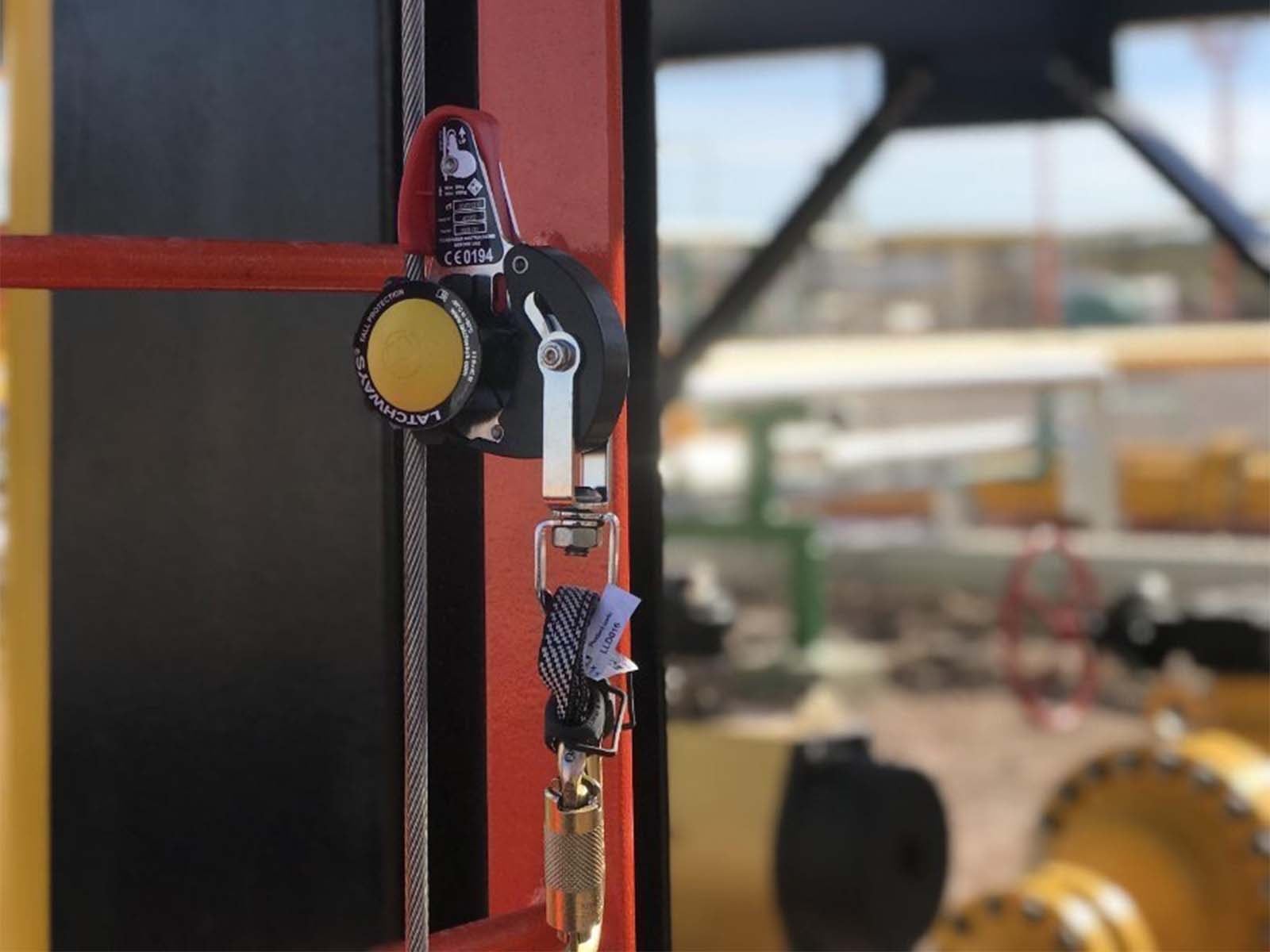
A Vertical Lifeline is a flexible safety line designed to protect workers who perform jobs involving vertical movement. It connects a worker’s full-body harness to a secure anchor point, creating a continuous link between the individual and the fall protection system. During normal climbing activities, a compatible rope grab or cable sleeve moves smoothly with the worker without limiting mobility. If an unexpected fall occurs, the device automatically locks onto the lifeline, helping stop the fall within a controlled distance. This rapid response significantly reduces the likelihood of severe injuries. Vertical Lifeline systems are widely recognized as dependable solutions for environments where workers frequently ascend and descend ladders, towers, or similar structures. Their practical design makes them one of the most commonly used forms of vertical fall protection.
Understanding How a Vertical Lifeline Functions
The operation of a Vertical Lifeline relies on several components working together as a complete fall protection system. The lifeline itself is securely attached to a certified anchorage point capable of supporting required loads. A worker wears a properly fitted full-body harness connected to the lifeline through a rope grab or fall arrest device. As the worker climbs, the rope grab follows naturally without requiring manual adjustments. When sudden downward movement is detected, the mechanism immediately grips the lifeline and arrests the fall. Some systems also incorporate shock-absorbing elements that reduce impact forces on both the worker and the anchor point. Understanding this process helps workers appreciate the importance of using every component correctly rather than relying on a single piece of equipment.
Essential Components of a Vertical Lifeline System
Every Vertical Lifeline system includes several important components that contribute to worker safety. The primary element is the lifeline, which may consist of synthetic rope or steel cable depending on the intended application. A certified anchorage point provides the structural support needed for the entire system. Workers wear a full-body harness specifically designed to distribute fall arrest forces safely across the shoulders, thighs, and pelvis. Rope grabs or cable sleeves connect the harness to the lifeline while allowing unrestricted climbing movement. Locking carabiners and connectors securely attach the equipment together without accidental disengagement. In many systems, energy absorbers are added to reduce shock loads during a fall. Each component must be compatible with the others to ensure the entire system performs as intended.
Industries That Depend on Vertical Lifelines
Many industries rely on Vertical Lifeline systems because employees regularly work in elevated environments. Construction professionals use them when climbing fixed ladders, scaffolding, structural steel, and high-rise buildings. Utility workers depend on Vertical Lifelines while servicing electrical poles and transmission towers. Telecommunications technicians frequently use these systems during tower inspections, antenna installations, and communication equipment maintenance. Industrial plants utilize Vertical Lifelines for equipment servicing, confined space access, and elevated machinery maintenance. Wind energy technicians also rely on these systems when climbing wind turbines for repairs and inspections. Building maintenance professionals use Vertical Lifelines for facade cleaning, elevator maintenance, and roof access. Their versatility allows them to support safe work practices across a broad range of industries.
Different Types of Vertical Lifeline Systems
Several Vertical Lifeline options are available to accommodate different work environments and operational needs. Temporary Vertical Lifelines are commonly selected for construction projects because they can be installed, relocated, and removed with minimal effort. Permanent systems remain installed on structures requiring regular maintenance or inspection, providing long-term protection. Rope Vertical Lifelines offer lightweight portability and are easy to transport between job sites. Cable Vertical Lifelines provide exceptional strength and are often preferred for permanent outdoor installations exposed to weather. Some systems are specifically engineered for fixed ladders, while others support a wider variety of climbing applications. Employers should evaluate environmental conditions, frequency of use, and equipment compatibility before making a selection. Choosing the right type improves both worker safety and operational efficiency.
Advantages of Using a Vertical Lifeline
A properly selected Vertical Lifeline delivers numerous benefits beyond simply preventing falls. Continuous protection gives workers greater confidence while climbing and performing elevated tasks. Improved confidence often leads to increased productivity because employees spend less time worrying about potential hazards. Organizations also benefit from fewer workplace accidents, reduced downtime, and lower costs associated with injuries. A Vertical Lifeline supports compliance with workplace safety regulations and demonstrates an employer’s commitment to protecting employees. Many systems are designed for flexibility, making them suitable for multiple applications across different job sites. Long service life and durable construction also contribute to excellent long-term value. These advantages make Vertical Lifelines an essential investment for organizations committed to workplace safety.
Selecting the Right Vertical Lifeline
Choosing the most appropriate Vertical Lifeline begins with evaluating the specific requirements of the worksite. Employers should consider climbing height, environmental conditions, worker mobility, and frequency of equipment use. Rope materials may be more suitable for portable applications, while steel cable systems often perform better in demanding outdoor environments. The load capacity of the system should accommodate both the worker and any equipment being carried during the task. Compatibility between the harness, rope grab, connectors, and anchorage point is equally important. Ease of inspection, maintenance requirements, and expected service life should also influence purchasing decisions. Selecting equipment that matches workplace conditions helps maximize both safety and equipment performance.
Best Practices for Safe Vertical Lifeline Use
Using a Vertical Lifeline safely requires careful attention before every climb. Workers should inspect all equipment for signs of wear, cuts, corrosion, loose hardware, or damaged connectors before beginning work. Anchorage points should always be verified as suitable for fall protection rather than general structural support. Every worker should wear a properly adjusted full-body harness to ensure effective force distribution during a fall. Manufacturer instructions should always be followed because different systems have unique operating requirements. Employees should never modify equipment or substitute incompatible components. Ongoing safety training reinforces correct procedures and helps workers remain familiar with inspection and emergency response practices. Consistently following these best practices contributes to a safer workplace.
Maintaining a Vertical Lifeline for Long-Term Reliability
Routine maintenance plays a major role in preserving the reliability of a Vertical Lifeline system. Daily inspections allow workers to identify visible signs of damage before equipment is placed into service. Qualified personnel should also perform scheduled inspections according to manufacturer recommendations and company policies. Any damaged component should be removed immediately and replaced with approved equipment. Proper storage protects the lifeline from excessive moisture, ultraviolet exposure, chemicals, and contaminants that could weaken materials over time. Cleaning should follow manufacturer instructions to avoid damaging protective coatings or rope fibers. Detailed maintenance records help organizations monitor equipment condition and demonstrate compliance with workplace safety programs. A consistent maintenance routine supports dependable performance throughout the equipment’s service life.
Common Errors That Can Reduce Vertical Lifeline Performance
Even high-quality equipment can become ineffective if it is not used properly. One common mistake is failing to inspect a Vertical Lifeline before each use, allowing damaged equipment to remain in service. Workers sometimes attach the system to anchor points that are not approved for fall protection, creating unnecessary hazards. Using mismatched components from different systems may reduce compatibility and overall performance. Improper harness adjustment can also affect the effectiveness of fall arrest during an emergency. Ignoring manufacturer instructions increases the likelihood of incorrect installation or operation. Some organizations underestimate the importance of regular worker training, resulting in preventable safety issues. Avoiding these mistakes helps ensure the Vertical Lifeline performs as designed whenever it is needed most.
Understanding Safety Standards for Vertical Lifelines
Recognized safety standards provide guidance for the proper use of Vertical Lifeline systems across many industries. These standards establish expectations for equipment testing, manufacturing quality, inspection procedures, and worker protection. Employers are responsible for understanding the applicable regulations governing fall protection within their industry. Compliance supports safer working conditions while reducing the likelihood of regulatory penalties. Equipment that meets recognized standards offers greater confidence in its performance during real-world applications. Workers also benefit from consistent inspection procedures and documented maintenance practices. Keeping current with industry requirements helps organizations continuously improve their fall protection programs and workplace safety culture.
Frequently Asked Questions
What is the purpose of a Vertical Lifeline?
A Vertical Lifeline provides continuous fall protection for workers climbing or descending elevated structures by connecting them to a secure anchor point through compatible fall arrest equipment.
What equipment is used with a Vertical Lifeline?
A complete system typically includes a full-body harness, rope grab or cable sleeve, connectors, anchorage point, and, when required, a shock-absorbing lanyard.
Can a Vertical Lifeline be installed permanently?
Yes. Permanent Vertical Lifeline systems are commonly installed on towers, fixed ladders, industrial facilities, and other structures requiring routine access.
How often should a Vertical Lifeline be inspected?
Workers should inspect the equipment before every use, while qualified personnel should conduct scheduled inspections according to manufacturer recommendations and company safety procedures.
Is a Vertical Lifeline suitable for outdoor applications?
Yes. Many Vertical Lifeline systems are specifically engineered for outdoor environments and are available in weather-resistant rope and cable materials.
What should be done after a Vertical Lifeline arrests a fall?
The equipment should be removed from service immediately and inspected according to manufacturer guidelines before being considered for future use.
Can any anchor point be used with a Vertical Lifeline?
No. Only certified anchorage points designed to support fall protection systems should be used to ensure worker safety.
Why is worker training important?
Training helps workers understand proper equipment use, inspections, emergency procedures, and safe climbing practices, reducing the likelihood of accidents.
Takeaway
A Vertical Lifeline remains one of the most dependable solutions for protecting workers who regularly perform tasks at elevated locations. When combined with a properly fitted harness, certified anchorage point, compatible fall arrest device, and regular inspections, it provides continuous protection throughout the climbing process. Organizations that invest in quality equipment, worker education, and preventive maintenance strengthen their overall safety programs while helping reduce fall-related incidents. Selecting the right Vertical Lifeline for each application ensures dependable performance across construction, industrial, utility, telecommunications, and maintenance environments. Making fall protection a daily priority benefits both employees and employers by supporting safer, more productive workplaces.