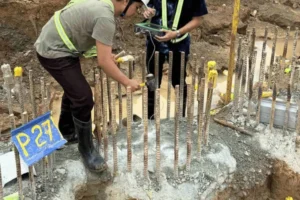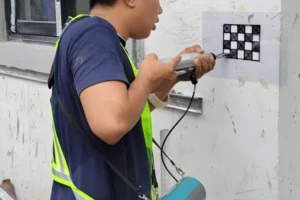
Steel Products Testing plays a critical role in ensuring the safety, strength, and long-term stability of reinforced concrete structures. Buildings, bridges, and infrastructure projects depend on reinforcing steel bars and structural steel to carry heavy loads and resist environmental stress. Without proper Steel Products Testing, hidden defects or substandard materials can lead to serious structural risks.
Steel Products Testing confirms whether steel materials meet engineering specifications before they are installed on-site. This process supports construction safety by verifying mechanical properties such as tensile strength, yield strength, elongation, and ductility. These properties determine how steel behaves under stress, making Steel Products Testing a required step in quality-controlled construction projects.
At Inch-On Materials Testing Laboratory, Steel Products Testing is conducted through standardized procedures aligned with international requirements, ensuring dependable and repeatable results for engineers, contractors, and project owners.
Understanding Steel Products Testing in Detail
Steel Products Testing refers to a series of mechanical evaluations performed on reinforcing steel bars and other structural steel materials. The goal of Steel Products Testing is to determine whether the material meets required performance standards for construction use.
Steel Products Testing focuses on key mechanical behaviors that directly affect structural safety. These include how steel responds when stretched, compressed, bent, or loaded beyond its elastic limit. Each test provides essential data that engineers use when approving materials for construction projects.
Steel Products Testing typically includes sample preparation, machine-based testing, and detailed analysis of results. These steps ensure that every steel batch meets required specifications before it is approved for structural use.
Standards That Guide Steel Products Testing
Steel Products Testing follows strict international standards to maintain consistency and reliability. One of the most widely recognized standards is ASTM A370. This standard defines procedures for tensile testing, bend testing, and other mechanical evaluations of steel materials.
ASTM A370 ensures that Steel Products Testing follows consistent methods regardless of location or laboratory. This consistency allows engineers to compare results across different projects and suppliers with confidence.
Steel Products Testing also aligns with construction guidelines and engineering specifications required in infrastructure development. In the Philippines, compliance with government standards is supported by accreditation from DPWH-BRS, which ensures laboratories meet strict quality and technical requirements.
Key Mechanical Evaluations in Steel Products Testing
Tensile Strength Evaluation in Steel Products Testing
Tensile strength testing measures how much pulling force steel can withstand before breaking. Steel Products Testing evaluates this property to ensure materials can support structural loads without failure. High tensile strength is essential for reinforcing bars used in beams, slabs, and columns.
Yield Strength Assessment in Steel Products Testing
Yield strength represents the point where steel begins to deform permanently. Steel Products Testing identifies this limit to ensure structural components remain stable under normal service loads. If yield strength is below specification, structural safety may be compromised.
Elongation and Ductility in Steel Products Testing
Elongation testing measures how much steel can stretch before fracture. Steel Products Testing uses this data to evaluate ductility, which is especially important in earthquake-prone areas. Ductile steel absorbs energy better and reduces sudden failure risk.
Fracture Behavior in Steel Products Testing
Fracture analysis examines how steel behaves at the point of failure. Steel Products Testing evaluates fracture patterns to identify material weaknesses or manufacturing defects. This helps ensure only high-quality steel is approved for construction use.
Steel Grade Verification Through Steel Products Testing
Steel Products Testing also confirms whether reinforcing steel matches the required grade specified in engineering designs. Common grades include Grade 40, Grade 60, and Grade 75.
Grade verification is important because different structural components require different strength levels. Steel Products Testing ensures that delivered materials match mill certificates and project specifications. Without proper verification, incorrect steel grades may be used, which can affect structural performance and safety.
Steel Products Testing provides assurance that materials delivered to the construction site are suitable for their intended structural role.
Equipment Used in Steel Products Testing
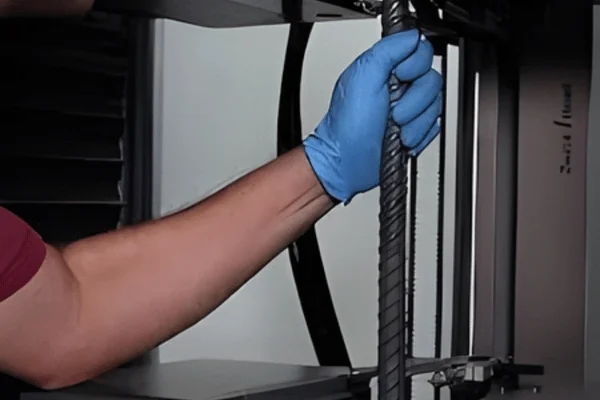
Steel Products Testing requires specialized equipment to produce accurate and repeatable results. One of the most important machines used is the Universal Testing Machine (UTM).
The UTM applies controlled force to steel samples while measuring deformation and load response. Steel Products Testing depends on this equipment to determine tensile strength, yield strength, and elongation values.
Proper calibration of testing equipment is essential for accurate Steel Products Testing results. Regular maintenance ensures that readings remain consistent and reliable across all tests.
Importance of Accredited Laboratories in Steel Products Testing
Accredited laboratories play a critical role in maintaining quality assurance in construction projects. Steel Products Testing performed in accredited facilities ensures compliance with engineering and government requirements.
At Inch-On Materials Testing Laboratory, Steel Products Testing follows strict procedures that meet accreditation standards. This ensures that results are accepted for construction approval and project documentation.
Accreditation from DPWH-BRS confirms that Steel Products Testing meets national requirements for accuracy, consistency, and technical competence.
Steel Products Testing Services at Inch-On Materials Testing Laboratory
Steel Products Testing services provided by Inch-On Materials Testing Laboratory cover a wide range of mechanical evaluations for construction steel materials. These services include tensile testing, elongation measurement, yield strength verification, and grade confirmation.
Steel Products Testing also supports project quality control by identifying non-compliant materials before installation. This helps reduce construction delays and prevents structural issues caused by substandard steel.
Fast reporting is also part of Steel Products Testing services, allowing engineers and contractors to make timely decisions during construction scheduling.
Why Steel Products Testing Is Essential for Structural Safety
Steel Products Testing directly supports structural safety by ensuring that only qualified materials are used in construction. Buildings rely on steel reinforcement to handle tension and distribute loads effectively.
Without Steel Products Testing, defective or low-grade steel may enter the construction process, increasing the risk of structural failure. Steel Products Testing reduces this risk by verifying mechanical performance before materials are installed.
Steel Products Testing is especially important for high-rise buildings, bridges, and infrastructure exposed to heavy loads or seismic activity. Reliable test results help engineers design safer and more durable structures.
Common Issues Identified Through Steel Products Testing
Steel Products Testing often reveals issues that are not visible during visual inspection. These include inconsistent tensile strength, low elongation values, and failure to meet required yield strength.
Steel Products Testing may also detect mismatches between delivered materials and mill certificates. These inconsistencies can indicate improper manufacturing or incorrect material supply.
By identifying these issues early, Steel Products Testing helps prevent construction delays and reduces the risk of structural problems during service life.
Benefits of Regular Steel Products Testing
Steel Products Testing provides several important benefits for construction projects. It ensures material quality, improves structural safety, and supports compliance with engineering standards.
Regular Steel Products Testing helps engineers confirm that all steel materials meet design specifications before installation. This reduces the likelihood of structural issues and supports long-term durability.
Steel Products Testing also improves project efficiency by reducing material rejection at later construction stages. Reliable test data supports better decision-making throughout the construction process.
Conclusion on Steel Products Testing
Steel Products Testing remains a critical step in construction quality control. It ensures that reinforcing steel and structural steel meet strict performance requirements before use in building projects.
Through standardized procedures aligned with ASTM A370 and accreditation from DPWH-BRS, Steel Products Testing supports safe, durable, and reliable infrastructure development. With proper testing conducted by laboratories such as Inch-On Materials Testing Laboratory, construction professionals gain confidence in material quality and structural performance throughout the lifecycle of a project.
Frequently Asked Questions About Steel Products Testing
What is Steel Products Testing?
Steel Products Testing refers to mechanical evaluation of reinforcing steel bars and structural steel to determine strength, ductility, and compliance with engineering standards.
Why is Steel Products Testing important in construction?
Steel Products Testing ensures that steel materials meet required specifications, reducing structural risks and improving building safety.
What standards guide Steel Products Testing?
Steel Products Testing commonly follows ASTM A370, which defines procedures for mechanical testing of steel products.
What properties are measured in Steel Products Testing?
Steel Products Testing measures tensile strength, yield strength, elongation, ductility, and fracture behavior.
How does Steel Products Testing improve safety?
Steel Products Testing confirms that steel materials can withstand structural loads, helping prevent failure in buildings and infrastructure.
Who performs Steel Products Testing?
Steel Products Testing is conducted by accredited laboratories such as Inch-On Materials Testing Laboratory under DPWH-BRS standards.