Modern high-rise buildings require more than attractive architecture and strong structural design. They also need reliable systems that allow maintenance personnel to safely access exterior surfaces throughout the building’s operating life. This is particularly important for towers with extensive glass facades, curtain walls, cladding, balconies, architectural features, and hard-to-reach areas. A Building Maintenance Unit Philippines solution provides a dedicated method for reaching these areas for cleaning, inspection, repair, and other maintenance activities. BMUs are commonly designed as roof-level mechanical access systems that suspend a working platform along the exterior facade. Their configuration can be customized according to a building’s height, geometry, roof layout, and maintenance requirements.
What Is a Building Maintenance Unit?
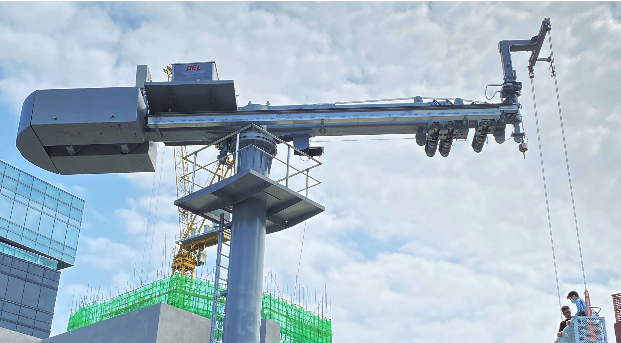
A Building Maintenance Unit, commonly known as a BMU, is a permanent facade access system designed to help workers reach the exterior surfaces of a building. A typical system may include a roof-mounted machine, track or trolley arrangement, boom, suspension equipment, controls, and a suspended cradle or platform. The system allows the working platform to be positioned at different levels of the facade so authorized personnel can perform exterior maintenance tasks. Depending on the design, BMUs may be capable of moving horizontally, vertically, or around specific sections of a building. The equipment is particularly useful for high-rise properties where conventional access methods would be difficult or inefficient. BMUs are engineered according to the building’s architecture and are often customized to provide access to the required facade areas.
Why Building Maintenance Units Matter in the Philippines
The Philippines has a growing number of high-rise residential, commercial, hospitality, healthcare, and mixed-use properties. These buildings often feature large glass surfaces and complex exterior designs that require regular cleaning and maintenance. Reaching elevated facades without an appropriate permanent access system can create logistical, scheduling, and safety challenges. A properly designed BMU provides building personnel with a dedicated system for accessing areas that would otherwise be difficult to reach. It can support recurring activities such as window cleaning, facade inspection, glass replacement, and exterior repairs. Philippine buildings with complex architectural designs may particularly benefit from customized facade access solutions that account for building height, roof layout, and facade geometry.
How a BMU Works
A BMU generally operates from the roof or upper portion of a building and uses mechanical equipment to position a suspended platform alongside the facade. The roof-mounted system may travel along tracks or use another engineered movement arrangement depending on the building design. A cradle or suspended working platform is connected to the equipment using suspension ropes and hoisting mechanisms. Operators can control the movement of the platform to reach designated sections of the exterior. Some systems incorporate telescopic or articulated components to extend the working reach and accommodate complicated facade shapes. Safety controls and mechanical systems are incorporated to help maintain controlled operation within the equipment’s designed parameters. The exact operating method varies according to the BMU configuration and should always follow the manufacturer’s instructions and the building’s approved procedures.
Common Applications of a Building Maintenance Unit
One of the most common uses of a BMU is exterior window and glass cleaning on high-rise buildings. The equipment can also provide access for inspecting facade panels, curtain walls, architectural features, and other exterior components. Maintenance teams may use a suitable BMU system when carrying out certain facade repairs or replacement work. Some systems can support glass replacement or other specialized maintenance activities when properly designed and rated for the required loads. BMUs may also help workers reach portions of a building that have unusual shapes, recessed sections, or other architectural obstacles. Regular access to the exterior can help facility teams organize maintenance activities rather than waiting for visible problems to become more difficult to address. Because every building has different requirements, the BMU should be selected and configured according to the actual maintenance tasks expected throughout the property’s operating life.
Key Components of a Building Maintenance Unit
A BMU consists of multiple components that work together to provide controlled facade access. The roof-mounted machine or trolley provides the primary movement and positioning capability for the system. Tracks or other travel mechanisms can allow the equipment to move along predetermined areas of the roof. A boom, jib, or telescopic structure may extend the suspended platform outward to reach the building facade. The cradle serves as the working platform where authorized personnel perform exterior maintenance tasks. Hoists, wire ropes, controls, limit systems, and other mechanical and electrical components contribute to controlled operation. Depending on the design, additional safety equipment and emergency features may be incorporated to address the specific risks associated with work at height.
Safety Considerations for BMU Operations
Safety should be one of the primary considerations when planning, installing, operating, and maintaining a Building Maintenance Unit. Working from a suspended platform at significant height exposes personnel to hazards that require careful planning and appropriate controls. Operators should receive suitable training and authorization before using the equipment. Pre-operation inspections should be performed to identify visible damage, abnormal conditions, or other issues that could affect safe operation. Work planning should also account for weather conditions, facade obstructions, falling-object risks, equipment movement, and emergency procedures. Personnel should use appropriate protective equipment and follow established work-at-height procedures applicable to the project. A BMU should also be operated within its rated capacity and according to manufacturer requirements rather than being treated as general-purpose lifting equipment.
Designing a BMU for Philippine Buildings
A BMU should ideally be considered during the early stages of building design rather than added as an afterthought. Architects, structural engineers, facade specialists, and facility teams can coordinate the access strategy with the building’s structural and architectural requirements. Factors such as building height, roof configuration, facade shape, setbacks, balconies, ledges, canopies, and projecting architectural elements can affect how workers reach the exterior. Complex buildings may require telescopic, articulated, tracked, or other specialized equipment to provide appropriate coverage. Structural loads associated with the equipment and its supporting system must also be addressed during engineering and design. Planning access requirements early can help reduce the need for expensive modifications after construction. A properly coordinated design also helps ensure that maintenance personnel can reach the facade areas that will actually require regular servicing.
BMU Maintenance and Inspection
A Building Maintenance Unit requires maintenance of its own just as the building facade does. Mechanical components, electrical systems, controls, suspension equipment, structural elements, and safety features should be inspected according to appropriate procedures. Regular preventive maintenance can help identify wear or developing problems before they interfere with planned building maintenance activities. Inspection records should be maintained so facility managers can track equipment condition and service history. Operators should also report unusual sounds, movements, control issues, visible damage, or other abnormal conditions. Maintenance work should be performed by appropriately qualified personnel following manufacturer specifications and applicable requirements. Keeping the BMU properly serviced supports reliable operation and helps facility teams maintain a more predictable exterior maintenance schedule.
Choosing a Building Maintenance Unit Philippines Provider
Choosing the right provider is an important decision for property developers and facility managers planning a Building Maintenance Unit Philippines project. The provider should understand facade access requirements and be capable of evaluating the building’s architecture, height, roof arrangement, and maintenance objectives. Engineering support is particularly valuable when the building has complex elevations or unusual architectural features. Buyers should also examine the proposed equipment’s safety features, documentation, installation process, commissioning procedures, and long-term service capabilities. A provider that can offer maintenance and after-sales support may provide additional value throughout the equipment’s operating life. It is also useful to consider whether the provider can customize the system rather than offering only a standard configuration. The best selection should be based on suitability, safety, engineering quality, service support, and long-term performance rather than simply the initial purchase price.
Benefits of Installing a BMU
A properly designed BMU can provide building owners with a dedicated method of accessing exterior surfaces for recurring maintenance. It can make facade cleaning more organized by giving authorized personnel a planned access route to elevated areas. The system can also support inspections and selected repair activities without requiring extensive temporary access arrangements for every maintenance cycle. A permanent facade access solution can be particularly valuable for towers where exterior cleaning and inspection are expected to occur regularly. BMUs can also be engineered around complex building geometry, helping maintenance teams reach areas that may otherwise be difficult to access. Better access planning can contribute to more consistent facade upkeep and help facility teams manage maintenance activities as part of normal building operations. The specific benefits, however, depend on proper design, installation, operation, inspection, and maintenance of the equipment.
BMU Compared With Other Facade Access Methods
A BMU is not the only method available for reaching a building facade. Other options may include rope access, suspended platforms, davit systems, monorails, mobile elevating work platforms, and other permanent or temporary access solutions. The appropriate method depends on the building’s height, facade geometry, maintenance frequency, available space, and specific work requirements. A permanent BMU can be particularly useful for buildings that require recurring access to large portions of the exterior facade. Rope access or other specialized methods may be appropriate for areas that cannot be efficiently reached by the primary BMU. Some buildings may use multiple access systems because different facade zones require different solutions. A professional facade access assessment can help determine which combination provides suitable coverage, safety, practicality, and long-term value.
Planning for Safer and More Efficient Building Maintenance
A successful facade maintenance strategy starts with understanding what areas need to be accessed and how frequently the work will occur. Building owners should identify cleaning requirements, inspection schedules, repair needs, glass replacement considerations, and other exterior maintenance activities. Facility managers can then coordinate with engineers and access-system specialists to determine an appropriate equipment configuration. Operating procedures, inspection schedules, training requirements, emergency arrangements, and maintenance responsibilities should be established before regular BMU use begins. Weather conditions and site-specific hazards should also be considered when planning elevated facade work. Proper documentation can help facility teams maintain consistency between different operators and contractors. By treating facade access as a long-term building management requirement, property owners can make better decisions about equipment selection, maintenance planning, and operational safety.
Frequently Asked Questions About Building Maintenance Unit Philippines
1. What is a Building Maintenance Unit?
A Building Maintenance Unit is a mechanical facade access system designed to help authorized personnel reach the exterior surfaces of a building. It commonly uses roof-mounted equipment, suspension systems, and a working cradle or platform. The system can be used for activities such as cleaning, inspection, and certain facade maintenance tasks. Its configuration depends on the building’s height, facade design, roof layout, and maintenance requirements. A properly designed system provides a dedicated access method for elevated exterior work. BMUs are particularly useful for high-rise and architecturally complex buildings.
2. Where are BMUs commonly used in the Philippines?
BMUs can be suitable for high-rise residential towers, office buildings, hotels, hospitals, commercial properties, and mixed-use developments. They are particularly useful when exterior surfaces are difficult to reach using conventional methods. Buildings with extensive glass facades may have frequent cleaning and inspection requirements. Complex architectural designs can also make permanent facade access especially important. The final equipment selection depends on the specific building and its maintenance needs. A professional assessment can determine whether a BMU is an appropriate solution.
3. What can a BMU be used for?
A BMU can provide access for facade cleaning, window maintenance, exterior inspection, and selected repair activities. Depending on its design and rated capacity, it may also support specialized work such as glass panel replacement. The equipment must only be used for tasks that fall within its engineered capabilities. Facility managers should review the manufacturer’s specifications before assigning work to the system. Proper planning is particularly important when workers need to transport tools or materials. The equipment should never be overloaded or used outside its intended operating conditions.
4. Is a BMU suitable for every building?
Not necessarily, because every building has different architectural and structural characteristics. Building height, roof configuration, facade geometry, setbacks, balconies, and maintenance requirements can affect the appropriate access solution. Some smaller or less complex properties may require a different system. Complex towers may need customized BMU equipment with specialized reach and movement capabilities. A facade access assessment can help determine the most appropriate arrangement. Engineering coordination is especially important when designing equipment for a new high-rise building.
5. How often should a BMU be inspected and maintained?
Inspection and maintenance schedules should be established according to the manufacturer’s recommendations, equipment requirements, applicable standards, and operating conditions. Regular inspections can help identify damaged or worn components before they become operational problems. Pre-use checks may also be required before individual maintenance activities. More detailed inspections and servicing should be performed by appropriately qualified personnel. Facility managers should retain maintenance and inspection records for proper equipment management. The exact frequency should be determined based on the specific BMU and its operating environment.
6. Who should operate a Building Maintenance Unit?
A BMU should be operated by personnel who have received appropriate training and authorization for the specific equipment. Operators should understand the controls, operating limitations, emergency procedures, and safety requirements associated with the system. They should also be familiar with the building’s approved work procedures. Pre-operation checks should be completed before the equipment is used. Operators should stop work when unsafe conditions or equipment abnormalities are identified. Proper supervision and coordination with facility management can further support safe facade maintenance activities.
7. What should I consider when choosing a Building Maintenance Unit Philippines provider?
Consider the provider’s engineering capabilities, experience with facade access systems, equipment quality, installation services, safety features, documentation, training support, and after-sales service. The provider should be able to understand the building’s height, facade geometry, roof layout, and maintenance requirements. Customized engineering may be necessary for buildings with complicated architectural designs. It is also important to evaluate the provider’s ability to support inspections, maintenance, repairs, and future equipment needs. A detailed assessment can help property owners compare solutions based on long-term suitability rather than price alone. Selecting an experienced provider can help ensure that the system is properly matched to the building and its operational requirements.
Takeaway
A Building Maintenance Unit Philippines solution can provide high-rise buildings with a dedicated and engineered method for accessing exterior facades. It can support important activities such as cleaning, inspection, repair, and selected facade replacement work. The value of a BMU depends heavily on proper design, engineering, installation, training, inspection, and ongoing maintenance. Building owners should consider facade geometry, building height, roof configuration, maintenance frequency, safety requirements, and long-term service needs before selecting equipment. Facility managers should also establish clear operating procedures and inspection practices for every BMU in use. Working with qualified facade access professionals can help ensure that the selected system matches the property’s actual requirements. For Philippine high-rise developments, planning reliable facade access early can support safer, more organized, and more efficient building maintenance throughout the property’s operational life.