Understanding Aluminum Walkways and Their Purpose
An aluminum walkway is a dedicated access path designed to provide a stable and controlled route for workers moving through elevated, rooftop, industrial, or equipment-access areas. These systems can be especially valuable in locations where regular inspection, maintenance, cleaning, or servicing requires workers to reach difficult areas safely. Unlike improvised walking surfaces, a properly designed walkway can provide a defined route with appropriate flooring, support, and edge protection. Philippine occupational safety requirements address the need for safe walkways and protective measures around elevated walks, runways, and platforms. A well-planned walkway can also help organize worker movement around machinery, rooftop equipment, solar installations, and other maintenance zones. Depending on the project, an aluminum walkway may include anti-slip grating, handrails, guardrails, stairs, access platforms, or specialized mounting components. Working with an experienced aluminum walkway supplier Philippines can therefore help businesses select a system that matches the site’s physical conditions and operational requirements.
Why Aluminum Is a Practical Material for Walkway Systems
Aluminum is widely considered a practical material for access systems because it combines relatively low weight with useful durability and corrosion resistance. These characteristics can make aluminum easier to handle during fabrication, transportation, and installation compared with heavier materials. This can be particularly useful when walkway components need to be installed on existing structures where minimizing additional handling demands is important. Aluminum systems are also suitable for many outdoor environments because the material does not rust in the same way ordinary carbon steel does. A Philippine walkway supplier may offer aluminum systems with different finishes, grating profiles, and structural configurations depending on the application. For example, aluminum grating is available with surface options intended to improve slip resistance, including serrated configurations for sloping walkways. Material selection should still be based on the project’s load requirements, environmental exposure, installation conditions, and engineering specifications rather than simply choosing aluminum because it is lightweight.
Common Applications for Aluminum Walkways in the Philippines
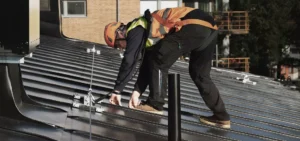
Aluminum walkways can serve many purposes across commercial, industrial, construction, and building maintenance environments. Rooftop walkways can create designated paths for technicians who need to inspect HVAC equipment, solar panels, roof components, or other building systems. Industrial facilities can use elevated access routes around machinery, conveyors, tanks, production equipment, and maintenance areas. Warehouses and factories may also require platforms and walkways where workers need routine access to elevated equipment or operational areas. Water treatment facilities and other environments exposed to moisture may benefit from materials selected for corrosion resistance and appropriate drainage. Aluminum roof walkway systems in the Philippines can also be configured for different roof surfaces and mounting conditions. One Philippine walkway provider, for example, describes aluminum systems that can be mounted on metal decks, standing-seam roofs, concrete, and other surfaces, with options for guardrails and non-penetrating fixing systems. The right application-specific design can make routine maintenance more organized while providing workers with a clearly defined route.
Important Features to Look for When Choosing an Aluminum Walkway Supplier Philippines
Choosing an aluminum walkway supplier should involve more than comparing prices or selecting the most visually attractive product. One of the first features to examine is the walking surface because workers need adequate traction when operating in areas that may become wet, dusty, oily, or otherwise slippery. Aluminum grating can be designed with different surface characteristics, including serrated profiles that can improve slip resistance. Guardrails and handrails should also be considered whenever workers could be exposed to a fall hazard. Philippine occupational safety standards address protection for elevated walks, runways, and platforms, including railings and toeboards in specified situations. The supplier should also be able to explain load capacity, walkway dimensions, mounting arrangements, access points, and structural requirements. A dependable aluminum walkway supplier Philippines should be able to discuss how these components work together instead of treating the walkway as an isolated product. This level of technical guidance can be particularly valuable when the system must be integrated with existing structures or other height-access equipment.
Safety Considerations When Installing Aluminum Walkways
Safety should remain one of the primary considerations when planning an aluminum walkway because the system may be used in elevated or hazardous areas. The walkway should provide a stable walking surface appropriate for the expected conditions and intended traffic. Its supporting structure and attachment points should be selected according to the loads and forces anticipated during normal use and maintenance activities. Edge protection is also important where workers could potentially fall from an elevated surface. Philippine occupational safety requirements state that elevated walks, runways, working platforms, and open-sided floors at specified heights should have appropriate railings and toeboards. The surrounding work environment should also be assessed for electrical hazards, fragile roofing, moving machinery, falling objects, weather exposure, and other site-specific risks. A walkway should not be treated as a replacement for a complete fall-protection program when workers remain exposed to fall hazards. For elevated projects, the walkway may need to work alongside guardrails, lifelines, anchor points, personal fall protection, or other safety controls based on the site’s risk assessment and applicable requirements.
Aluminum Walkway Flooring Options
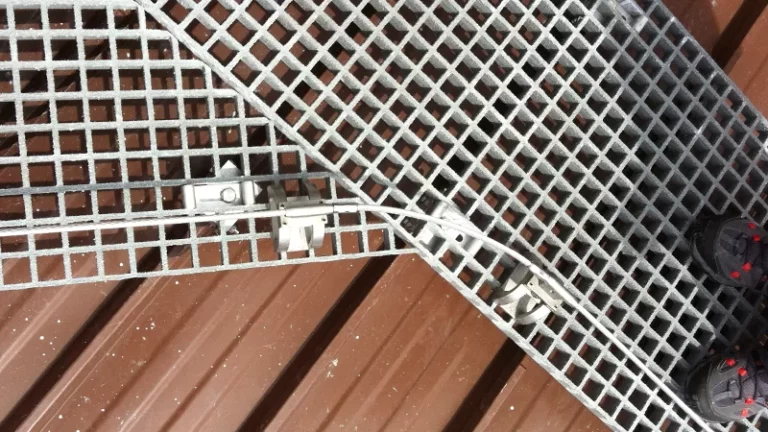
The flooring style selected for an aluminum walkway can significantly affect its usability and performance. Aluminum grating is one option because its open structure can allow water and debris to pass through rather than remain on the walking surface. This characteristic can be useful in outdoor environments where rainwater needs to drain efficiently. Serrated grating can also provide additional traction compared with a plain walking surface, making it an option for certain sloping or exposed applications. Another option is aluminum checkered plate, which provides a more continuous surface and can be appropriate for certain platforms, ramps, walkways, and access areas. The choice between grating and plate should depend on drainage requirements, expected traffic, environmental conditions, load requirements, and maintenance needs. A qualified supplier should explain the advantages and limitations of each flooring option rather than recommending one material for every application. Selecting the right surface can improve worker confidence while also helping the walkway perform effectively under its intended conditions.
Customization Options Available From a Quality Supplier
Not every building or industrial facility has the same dimensions, access points, roof configuration, or maintenance requirements. For that reason, customized aluminum walkway systems can be more practical than generic products in many projects. Walkways may be designed around equipment, roof penetrations, machinery, existing structures, or restricted access areas. Suppliers may also provide different walkway lengths, widths, slopes, grating styles, mounting systems, stairs, handrails, and guardrails. Some systems can be configured with mounting arrangements intended for different roof types or structural surfaces. A Philippine supplier currently offering aluminum walkway solutions describes multiple length options, different mounting surfaces, and guardrail configurations. Customization can also help ensure that the walkway connects logically with ladders, stairs, maintenance platforms, or other access systems. Before fabrication begins, project owners should provide accurate measurements and relevant structural information so the supplier can develop an appropriate configuration. A supplier with design and engineering experience can help identify potential access problems before materials are fabricated or installed.
How to Evaluate an Aluminum Walkway Supplier Philippines
A supplier’s technical capabilities should be one of the most important factors in the purchasing decision. Start by determining whether the supplier has experience designing and supplying access systems for the type of environment where the walkway will be installed. Ask for technical specifications covering aluminum material, dimensions, flooring type, load requirements, fasteners, mounting arrangements, and available safety components. It is also useful to determine whether the supplier can provide site assessment, measurements, engineering support, fabrication, delivery, and installation assistance. Documentation can help project teams understand exactly what they are purchasing and how the system is intended to function. Buyers should also ask about warranties, maintenance requirements, replacement components, and after-sales support. Price remains an important consideration, but selecting the cheapest system without reviewing its specifications can create additional costs later. The best aluminum walkway supplier Philippines should offer a balanced combination of material quality, technical knowledge, customization capability, installation support, and responsive customer service.
Questions to Ask Before Purchasing an Aluminum Walkway
Before placing an order, project owners should ask detailed questions about the proposed walkway system. Ask what aluminum grade, thickness, and structural components will be used for the intended application. Request information about the walkway’s rated load capacity and whether the rating accounts for workers, tools, equipment, and expected maintenance activities. Ask whether the walking surface is designed to provide suitable traction for the project’s environmental conditions. Confirm how the walkway will be attached to the roof, concrete, structural steel, or another supporting surface. It is also important to ask whether guardrails, handrails, stairs, toe boards, gates, or other safety components can be integrated into the system. Buyers should request technical drawings or installation details when appropriate so the project team understands the required site conditions. Asking these questions before purchasing can reduce misunderstandings and help ensure that the finished walkway matches the actual needs of the facility.
Benefits of Working With a Specialized Aluminum Walkway Supplier
A specialized supplier can provide more value than a company that simply sells aluminum components without understanding access-system requirements. Experienced suppliers can help evaluate the intended application and recommend suitable walkway dimensions, surfaces, supports, and accessories. They may also identify potential conflicts with existing equipment, roof structures, drainage systems, or maintenance routes before installation. This type of planning can make the project more efficient and reduce the possibility of costly modifications later. Specialized walkway providers may also be able to integrate walkways with guardrails, ladders, stairs, lifelines, and other height-access solutions. A Philippine aluminum walkway provider, for example, lists walkway systems alongside height-access products such as fall-arrest lifelines, anchors, and guardrails. This broader approach can help facility managers develop a more coordinated access strategy rather than purchasing disconnected components. For businesses responsible for worker safety and facility maintenance, technical support from a specialized supplier can be an important part of the purchasing decision.
Choosing the Right Aluminum Walkway for Philippine Projects
Selecting the right aluminum walkway requires careful consideration of the facility, intended use, environmental conditions, structural requirements, and worker safety needs. Buyers should first identify where workers need to travel and how frequently the route will be used. The next step is to determine the required walkway dimensions, load capacity, flooring type, access arrangements, and edge protection. Outdoor projects should receive particular attention because rain, humidity, heat, and other environmental conditions can influence the performance of access systems. Rooftop projects should also consider the existing roof construction and how the walkway will be mounted without creating unnecessary structural or waterproofing problems. Philippine safety requirements should be reviewed with qualified professionals when the walkway is part of an elevated work area or exposes workers to fall hazards. Choosing an experienced aluminum walkway supplier Philippines can make it easier to coordinate these technical requirements and select a system suited to the project. With appropriate planning, an aluminum walkway can become a durable and practical component of a facility’s long-term access and maintenance strategy.
FAQ
1. What is an aluminum walkway?
An aluminum walkway is a purpose-built access route that allows people to move safely through designated areas. It can be installed on rooftops, industrial platforms, maintenance areas, and other locations requiring controlled pedestrian access. The system may use aluminum grating, checkered plate, or another appropriate walking surface. Depending on the application, it may also include handrails, guardrails, stairs, ramps, and other components. Aluminum is often selected because it provides a useful combination of relatively low weight and corrosion resistance. The exact design should depend on the location, expected loads, environmental conditions, and intended use. A qualified aluminum walkway supplier Philippines can help determine which configuration is appropriate for a particular project.
2. Why should businesses choose aluminum for walkway systems?
Aluminum can provide several practical advantages for access-system applications. Its relatively lightweight nature can simplify handling and installation compared with heavier materials. It also offers corrosion resistance that can be valuable for outdoor and humid environments. Aluminum grating can be manufactured with surfaces intended to improve traction and drainage. The material can also be fabricated into different walkway configurations to suit specific access requirements. However, aluminum is not automatically the correct choice for every project because load requirements, environmental exposure, and structural conditions still need to be assessed. Businesses should work with a qualified supplier to determine whether aluminum meets the technical requirements of their application.
3. Where can aluminum walkways be used in the Philippines?
Aluminum walkways can be used in a wide range of commercial and industrial environments. Common applications include rooftops, factories, warehouses, production plants, utility facilities, and equipment maintenance areas. They can provide designated routes around HVAC equipment, solar panels, machinery, tanks, conveyors, and other installations that require routine servicing. They may also be useful in locations where workers need to access elevated areas without walking directly on vulnerable roof surfaces. The appropriate configuration depends on the roof or structural surface and the expected use. Philippine suppliers may offer systems designed for different mounting surfaces and configurations. A site-specific assessment is recommended before selecting the final walkway design.
4. Can an aluminum walkway be customized?
Yes, aluminum walkway systems can be customized for many project requirements. Customization may involve the overall length, width, slope, flooring style, support arrangement, mounting method, and access configuration. Guardrails and handrails can also be incorporated when required by the design and safety assessment. Walkways can sometimes be arranged around existing building equipment, roof features, or restricted spaces. Philippine suppliers may offer different mounting solutions depending on whether the system is being installed on metal decking, standing-seam roofing, concrete, or another surface. Custom engineering is particularly useful when a standard walkway cannot provide the required route or clearance. Accurate site measurements and structural information should be provided to the supplier before fabrication.
5. What should I look for in an aluminum walkway supplier Philippines?
Look for a supplier with experience in aluminum access systems and a strong understanding of workplace safety requirements. The supplier should be able to explain material specifications, load capacity, flooring options, mounting methods, and available safety accessories. Engineering or technical support can be especially valuable for customized or elevated installations. Buyers should also ask about installation services, drawings, warranties, replacement parts, and after-sales assistance. The supplier should be willing to understand the actual application instead of simply recommending a standard product. It is also useful to compare technical specifications rather than relying only on the quoted price. A reliable aluminum walkway supplier Philippines should help the customer select a system that is appropriate for the project’s actual conditions.
6. Are aluminum walkways suitable for outdoor use?
Aluminum walkways can be suitable for many outdoor applications because aluminum offers corrosion resistance and can be configured for exposed environments. Outdoor installations still require careful consideration of rainwater, drainage, wind, sunlight, roof conditions, and the surrounding environment. The walking surface should provide appropriate traction for the expected conditions. Open grating can be advantageous where water drainage is important, while other applications may require a more continuous surface. The mounting system must also be appropriate for the supporting structure and environmental conditions. Roof walkway systems can be designed to create defined access routes while helping manage worker movement across roof areas. A supplier should assess the site before recommending a specific outdoor walkway configuration.
7. How much does an aluminum walkway cost in the Philippines?
There is no single price for an aluminum walkway because project requirements can vary considerably. Pricing can depend on the walkway’s length, width, material specifications, flooring design, load requirements, mounting system, and accessories. Adding guardrails, stairs, ramps, platforms, or customized supports can also affect the total project cost. Installation, transportation, engineering, and site-specific fabrication may contribute additional expenses. A simple walkway for one application may therefore have a very different price from a complex industrial access system. Buyers should request a detailed quotation based on actual measurements and technical requirements. Comparing complete specifications rather than price alone can help businesses select a system that provides better long-term value.
Takeaway
An aluminum walkway can provide a practical and durable access solution for rooftops, industrial facilities, maintenance areas, warehouses, and other locations where workers require a defined route. Choosing the right system requires attention to material specifications, walking surfaces, load capacity, mounting methods, dimensions, and protective features. Safety requirements should be considered from the planning stage, particularly when the walkway is elevated or located near other workplace hazards. Philippine occupational safety requirements recognize the importance of protective measures for elevated walks, runways, and platforms. A qualified supplier can help businesses coordinate the walkway with guardrails, stairs, ladders, lifelines, and other access equipment when needed. The right supplier should also provide technical guidance and customization options rather than treating every project as a standard installation. For businesses searching for an aluminum walkway supplier Philippines, prioritizing quality, engineering support, safety, durability, and project suitability can lead to a more dependable long-term access solution.