Strong foundations form the backbone of any construction project. Structures such as high-rise buildings, bridges, and industrial facilities rely heavily on the durability and reliability of their deep foundation piles. Faulty or compromised piles can result in structural failures, costly repairs, or even safety hazards. Conducting a Pile Integrity and Pile Dynamic Test ensures that every pile meets rigorous standards for quality and load-bearing capacity. These tests identify defects, confirm structural performance, and provide engineers and project owners with confidence in the foundation’s reliability.
Construction projects across the Philippines increasingly require thorough testing of foundation piles due to strict regulatory standards and growing awareness of structural safety. By incorporating Pile Integrity and Pile Dynamic Test, project teams gain critical insights into pile conditions and performance long before structures are completed, reducing risks and optimizing construction quality.
What is Pile Integrity Testing (PIT)?
Pile Integrity Testing is a non-destructive testing method used to evaluate the physical condition of foundation piles. It detects defects such as cracks, voids, necking, or improper concrete placement. These issues, if undetected, can compromise the strength and stability of structures.
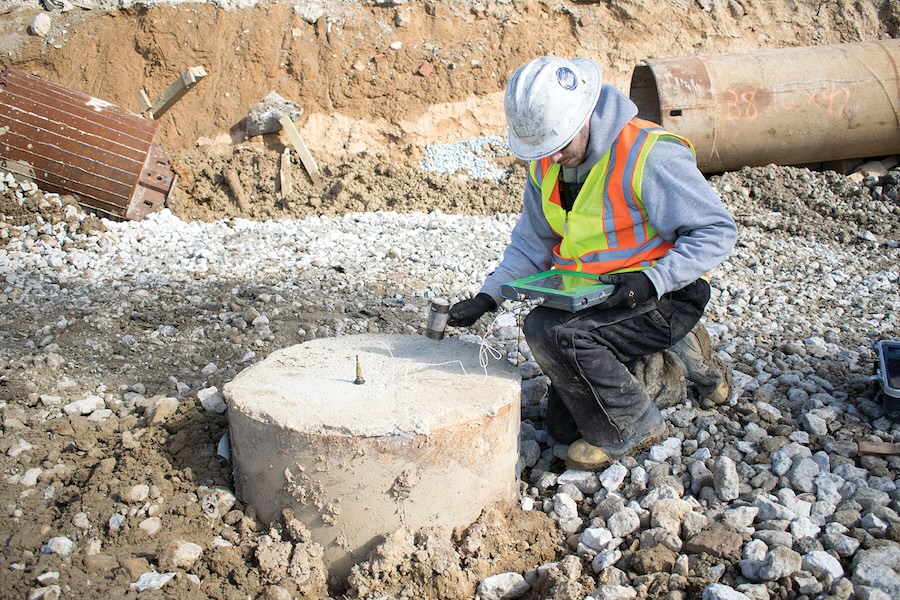
The PIT process typically involves applying a controlled impact to the top of a pile and measuring the resulting stress waves traveling along its length. Instruments capture the reflected waves, which are then analyzed to detect irregularities. This method is particularly effective for deep foundation piles where visual inspection is impossible.
Concrete piles, steel piles, and composite piles all benefit from PIT. Engineers can determine whether piles conform to design specifications and identify potential risks before additional construction proceeds. By performing a Pile Integrity and Pile Dynamic Test, project teams can ensure safety and compliance while avoiding costly corrections at later stages.
Understanding Pile Dynamic Analysis (PDA)
Pile Dynamic Analysis is a high-strain testing method that evaluates the load-bearing capacity of piles during or immediately after installation. Unlike PIT, which focuses on structural integrity, PDA measures dynamic responses to high-impact forces and calculates the pile’s ability to handle axial loads.
PDA involves using a specialized instrumented hammer to apply a controlled force to the pile while sensors record the stress waves traveling along the pile shaft. The collected data provides detailed information about pile capacity, hammer efficiency, and soil-pile interaction. Engineers can use this information to confirm that each pile can withstand expected loads, ensuring the stability of the structure above.
High-strain Pile Integrity and Pile Dynamic Test offers real-time results that help project teams optimize foundation design, adjust construction techniques, and validate engineering assumptions. By identifying weaknesses early, PDA minimizes the risk of structural issues and enhances overall project safety.
PIT vs PDA: Key Differences and When to Use Each
Understanding the difference between PIT and PDA is essential for selecting the appropriate testing method for a project. PIT primarily evaluates the structural condition of a pile by detecting physical defects, whereas PDA focuses on measuring load-bearing performance and dynamic response.
PIT is most effective for identifying cracks, voids, and discontinuities in concrete or steel piles. It is often used immediately after installation or for routine inspections of existing structures. PDA, on the other hand, is valuable during installation or when verifying the load capacity of piles before applying structural loads.
Combining both testing methods provides a comprehensive assessment of foundation quality. Performing a Pile Integrity and Pile Dynamic Test together ensures piles are free from defects and capable of sustaining the required loads. This dual approach reduces construction risks and enhances confidence in foundation performance.
How Inch-On Materials Testing Laboratory Ensures Accuracy and Safety
Inch-On Materials Testing Laboratory has established a reputation for reliable and precise testing services across the Philippines. Accredited by the Department of Public Works and Highways – Bureau of Research and Standards (DPWH-BRS), the laboratory follows strict testing protocols that meet both ASTM and AASHTO standards.
The laboratory provides advanced equipment and highly trained personnel for on-site and laboratory testing. Specialists conduct Pile Integrity and Pile Dynamic Test using sophisticated sensors, hammers, and data acquisition systems to produce accurate, repeatable results. Every step of the process prioritizes safety, precision, and compliance with project specifications.
Over the years, Inch-On has supported high-rise buildings, bridges, and industrial projects, ensuring foundations perform as intended. Engineers and project managers rely on the laboratory’s results to make informed decisions about design adjustments, quality control, and project scheduling.
Benefits of Professional Pile Testing
Professional Pile Integrity and Pile Dynamic Test delivers several key benefits for construction projects:
- Reduces the risk of structural failure by identifying potential issues in piles before construction continues.
- Confirms compliance with project specifications and national standards, ensuring regulatory approval.
- Provides engineers with accurate, data-driven insights to optimize design and installation techniques.
- Minimizes long-term maintenance costs by preventing foundation defects from developing into major problems.
- Enhances confidence for contractors, engineers, and clients that the foundation can safely support the structure.
Testing piles through an accredited laboratory improves project efficiency and helps prevent delays caused by unforeseen foundation issues. These advantages make Pile Integrity and Pile Dynamic Test an essential step in any construction workflow.
Common Challenges in Pile Testing and How Experts Handle Them
Pile testing can present several challenges due to site conditions, pile types, and environmental factors. Deep or long piles may have complex stress wave behaviors that require careful interpretation. Variations in soil density, moisture content, or pile material can also influence test results.
Experts at Inch-On Materials Testing Laboratory address these challenges by using advanced equipment and proven methodologies. The team analyzes wave signals, corrects for site-specific variables, and verifies results against established standards. Performing a comprehensive Pile Integrity and Pile Dynamic Test ensures accurate data even in complex or demanding conditions.
Specialized training, experience with diverse projects, and strict adherence to DPWH-BRS, ASTM, and AASHTO standards guarantee that every test produces reliable, actionable results.
Takeaway
A strong foundation begins with thorough testing. Pile Integrity and Pile Dynamic Test provides critical insights into the condition and performance of foundation piles, safeguarding structures against potential failures. These tests allow engineers to detect defects, confirm load-bearing capacity, and ensure compliance with rigorous standards.
Engaging professional services such as Inch-On Materials Testing Laboratory ensures accuracy, safety, and peace of mind. With accredited testing methods and advanced equipment, the laboratory delivers reliable results for high-rise, bridge, and industrial projects throughout the Philippines.
Every construction project benefits from comprehensive pile testing, making Pile Integrity and Pile Dynamic Test an essential step toward durable, safe, and high-quality foundations.
FAQ
What is the difference between Pile Integrity Testing and Pile Dynamic Test?
Pile Integrity Testing identifies structural defects such as cracks or voids, while Pile Dynamic Test measures load-bearing capacity and dynamic response of piles. Performing both provides a full assessment of foundation quality.
Why is Pile Integrity and Pile Dynamic Test important?
These tests ensure piles meet design specifications, prevent structural failures, and improve long-term safety and durability of high-rise, bridge, and industrial projects.
Can Pile Integrity and Pile Dynamic Test be performed on all pile types?
Yes. Concrete, steel, and composite piles can all undergo these tests, with equipment and methods adjusted to suit the specific pile characteristics.
How long does a Pile Dynamic Test take?
The duration depends on pile length, diameter, and site conditions, but testing typically takes a few hours per pile. Results are available immediately for analysis.
Are these tests required by law?
While local regulations may vary, DPWH-BRS accreditation and compliance with ASTM and AASHTO standards make Pile Integrity and Pile Dynamic Test a recommended practice for safe, high-quality construction projects.
Who should conduct these tests?
Certified laboratories like Inch-On Materials Testing Laboratory with trained specialists, accredited equipment, and proven methodologies should perform these tests for reliable results.