Every year, thousands of employees perform tasks at elevated locations where even a single misstep can lead to severe injuries or fatalities. Whether installing structural steel, repairing telecommunications equipment, maintaining industrial facilities, or inspecting rooftops, workers face hazards that demand reliable protection. A properly designed Fall Arrest System plays a critical role in reducing these risks by stopping a fall safely before a worker reaches a lower level. More than just a collection of safety equipment, it is an essential part of a workplace safety program that combines planning, training, inspections, and compliance. Organizations that invest in dependable fall protection not only protect their employees but also improve productivity, reduce costly incidents, and strengthen their safety culture. Understanding how a Fall Arrest System works allows employers and workers to make informed decisions that support both operational efficiency and regulatory compliance. This guide explores the essential aspects of selecting, using, and maintaining a Fall Arrest System for safer work at heights.
Understanding the Purpose of a Fall Arrest System
A Fall Arrest System is specifically designed to protect workers after a fall has occurred by slowing and stopping the fall before contact is made with the ground or another lower surface. Unlike systems that prevent workers from reaching hazardous areas, a fall arrest system activates during an actual fall event. This distinction makes it one of the most important forms of personal protective equipment for employees working in elevated environments. The system reduces the force experienced by the worker through energy-absorbing components while keeping them securely connected to a reliable anchor. This significantly lowers the likelihood of life-threatening injuries. Modern Fall Arrest System solutions are engineered to meet strict performance standards that ensure reliability under demanding conditions. When every component is correctly selected and properly used, workers gain an additional layer of protection that can save lives during unexpected accidents.
Why Every Workplace Needs a Reliable Fall Arrest System
Working at height presents hazards that cannot always be eliminated through engineering controls or safe work procedures alone. Construction projects, maintenance activities, utility services, and industrial operations often require employees to work several feet above the ground for extended periods. A dependable Fall Arrest System provides a critical safeguard when unexpected slips, trips, or structural failures occur. Beyond protecting employees, organizations benefit from fewer workplace injuries, reduced downtime, lower insurance costs, and stronger compliance with occupational safety regulations. Companies that prioritize fall protection also demonstrate a commitment to employee well-being, which can improve morale and job satisfaction. Customers and business partners are increasingly recognizing organizations that maintain high safety standards. Investing in a high-quality Fall Arrest System is therefore both a safety decision and a smart business strategy.
The Essential Components of a Fall Arrest System
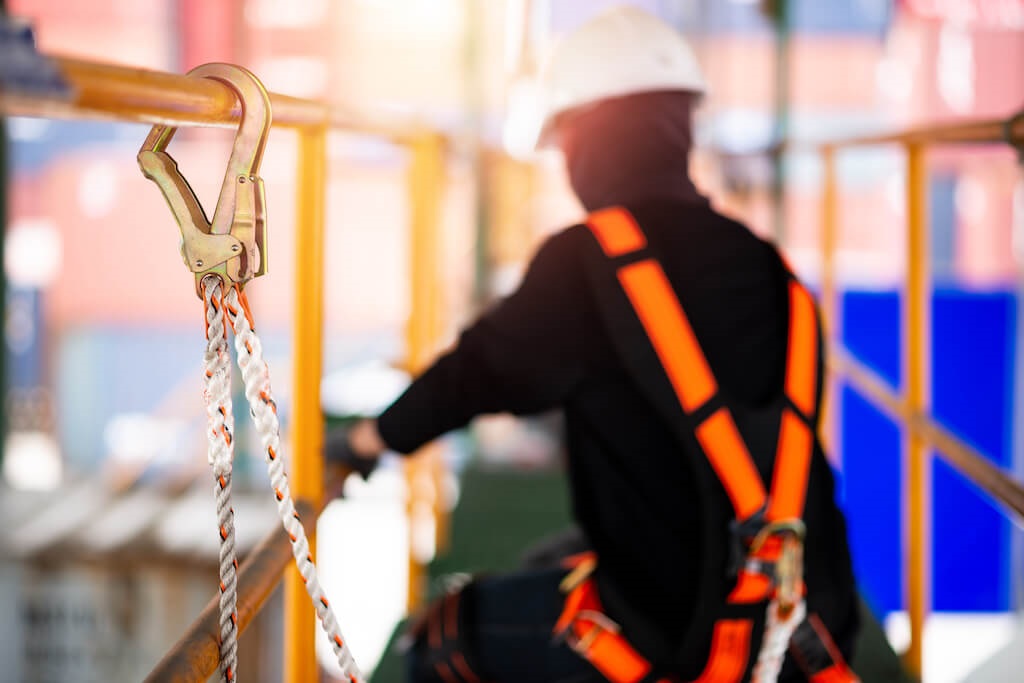
Every Fall Arrest System consists of multiple components that work together to provide dependable protection. The full-body harness serves as the foundation of the system by distributing arrest forces across stronger areas of the body rather than concentrating them in one location. A secure anchorage point provides the strength needed to withstand the forces generated during a fall. Connecting devices such as shock-absorbing lanyards or self-retracting lifelines link the worker to the anchor while minimizing impact forces. Carabiners, connectors, and attachment hardware ensure each component remains securely connected throughout the work process. Energy absorbers reduce the force transmitted to the body, helping minimize injuries during fall arrest. Every component should be certified, compatible, and inspected regularly to maintain the effectiveness of the entire Fall Arrest System.
How a Fall Arrest System Protects Workers
The effectiveness of a Fall Arrest System depends on the coordinated function of every component during a fall event. When a worker slips or loses balance, the connecting device immediately begins controlling the fall. Energy-absorbing elements gradually reduce the speed of descent, minimizing the impact placed on the body. At the same time, the anchorage point remains firmly secured to support the forces generated by the fall. The full-body harness evenly distributes those forces across the shoulders, thighs, chest, and pelvis, reducing the chance of serious injury. Once the worker is safely suspended, a planned rescue operation should begin as quickly as possible. This sequence demonstrates why proper equipment selection, training, and emergency planning are equally important parts of every Fall Arrest System.
Different Types of Fall Arrest Systems
Not every workplace requires the same type of Fall Arrest System, and selecting the appropriate configuration depends on the specific work environment. Personal Fall Arrest Systems are widely used because they provide individual protection through a harness, connector, and anchor. Horizontal lifeline systems allow workers to move across long distances while remaining continuously attached to a secure line. Vertical lifeline systems are ideal for towers, ladders, and other climbing applications where movement occurs in an upward or downward direction. Self-retracting lifelines automatically extend and retract during movement while locking instantly if a fall occurs, reducing free-fall distance. Permanent rail systems are commonly installed in facilities requiring frequent maintenance at elevated locations. Understanding the strengths of each system helps employers choose the most effective solution for their workforce.
Choosing the Right Fall Arrest System
Selecting the best Fall Arrest System begins with identifying workplace hazards through a comprehensive risk assessment. Employers should evaluate working heights, potential fall distances, available anchor locations, environmental conditions, and employee movement requirements before purchasing equipment. Fall clearance calculations are particularly important because they determine whether sufficient distance exists to safely stop a fall. Equipment compatibility should never be overlooked since combining incompatible components can reduce system performance. Comfort also plays an important role because workers are more likely to wear equipment correctly when it fits properly. Choosing products from trusted manufacturers helps ensure compliance with OSHA and ANSI standards while improving long-term durability. Working with qualified safety professionals provides additional confidence that every Fall Arrest System meets the unique needs of the job site.
Inspection and Maintenance Best Practices
Regular inspections are essential to maintaining the performance of every Fall Arrest System. Workers should carefully examine harnesses, lanyards, connectors, lifelines, and anchorage devices before each use for signs of wear, cuts, corrosion, broken stitching, or other damage. Scheduled inspections performed by competent personnel provide a more detailed evaluation that may identify hidden defects. Equipment should always be cleaned according to manufacturer instructions because harsh chemicals or improper cleaning methods can reduce material strength. Proper storage in clean, dry environments protects components from unnecessary exposure to moisture, sunlight, and contaminants. Equipment that has arrested a fall should generally be removed from service immediately until evaluated according to manufacturer recommendations. Maintaining accurate inspection records also supports regulatory compliance and demonstrates a strong commitment to workplace safety.
Employee Training and Safe Work Practices
Providing workers with a Fall Arrest System is only one part of an effective fall protection program. Employees must understand how to inspect equipment, properly adjust harnesses, connect lanyards securely, and recognize hazards before beginning elevated work. Practical, hands-on training allows workers to become familiar with equipment while reinforcing safe behaviors. Rescue procedures should also be practiced regularly so employees know how to respond if a fall occurs. Supervisors play an important role by monitoring safe work practices and ensuring equipment is used correctly at all times. Refresher training keeps workers informed about updated regulations, new technologies, and changing workplace conditions. Continuous education helps create a stronger safety culture while reducing preventable accidents.
Common Errors That Can Compromise Safety
Even the best Fall Arrest System cannot provide maximum protection if it is used incorrectly. One of the most common mistakes is attaching equipment to anchor points that are not designed to support fall arrest loads. Workers may also wear harnesses too loosely, reducing their effectiveness during a fall. Skipping daily inspections can allow damaged components to remain in service without detection. Some organizations overlook swing fall hazards, which may cause workers to collide with nearby structures after a fall. Others fail to develop rescue plans, increasing the risk of suspension-related injuries following fall arrest. Avoiding these common mistakes significantly improves worker safety while helping organizations maximize the effectiveness of their Fall Arrest System.
The Future of Fall Arrest System Technology
The evolution of safety equipment continues to improve the capabilities of every modern Fall Arrest System. Lightweight materials now provide greater comfort without compromising strength or durability. Smart safety devices equipped with sensors can detect falls and immediately notify supervisors or emergency responders. Digital inspection software simplifies equipment tracking while helping organizations maintain accurate maintenance records. Enhanced self-retracting lifelines continue to reduce free-fall distances and improve overall worker mobility. Manufacturers are also developing more ergonomic harnesses that improve comfort during long work shifts. As innovation continues, organizations will have access to increasingly advanced Fall Arrest System solutions that enhance worker protection while simplifying compliance with industry standards.
Industries That Benefit Most from a Fall Arrest System
A reliable Fall Arrest System is valuable across a wide range of industries where employees perform tasks above ground level. The construction industry depends on fall protection every day because workers frequently operate on scaffolding, roofs, steel structures, and elevated platforms. Utility companies require technicians to climb transmission towers, communication poles, and electrical structures where fall hazards are constant. Manufacturing facilities often have elevated machinery, catwalks, mezzanines, and storage systems that require workers to access higher levels safely. Warehouse employees may also work on elevated platforms or perform maintenance on high storage racks, making dependable fall protection essential. Renewable energy sectors, including wind farms and solar installations, rely heavily on specialized Fall Arrest System solutions because technicians regularly work at significant heights. Commercial building maintenance, window cleaning, bridge inspection, shipbuilding, and oil and gas operations are additional industries where properly designed fall protection helps reduce workplace injuries while supporting efficient operations.
Meeting OSHA and ANSI Safety Requirements
Compliance with recognized safety standards is an important part of every effective Fall Arrest System program. The Occupational Safety and Health Administration (OSHA) establishes regulations that require employers to provide fall protection whenever employees are exposed to certain height-related hazards. These regulations cover equipment selection, employee training, hazard assessments, inspections, and rescue planning. The American National Standards Institute (ANSI) also publishes standards that help manufacturers design reliable fall protection equipment while guiding employers on proper selection and use. Following these requirements reduces the likelihood of workplace accidents while helping organizations avoid costly penalties and legal complications. Maintaining written safety procedures, inspection logs, and employee training records further demonstrates a company’s commitment to compliance. By aligning workplace practices with OSHA and ANSI guidance, employers create a safer environment where workers can perform elevated tasks with greater confidence.
Building a Strong Fall Protection Culture
Creating a safe workplace requires more than purchasing high-quality equipment. A successful Fall Arrest System program depends on a culture where safety is viewed as a shared responsibility by every employee. Company leaders should encourage workers to report hazards, damaged equipment, and unsafe conditions without hesitation. Supervisors should perform regular job site inspections and reinforce safe work practices through coaching and positive communication. Employees should understand that taking shortcuts with fall protection can place themselves and their coworkers at unnecessary risk. Ongoing training sessions, toolbox talks, and equipment demonstrations help keep safety procedures fresh in everyone’s mind. Recognizing employees who consistently follow safety protocols can also strengthen engagement and encourage others to maintain high standards. When safety becomes part of the organization’s everyday mindset, the effectiveness of every Fall Arrest System increases significantly.
Frequently Asked Questions
What is a Fall Arrest System?
A Fall Arrest System is a combination of safety equipment designed to stop a worker safely during a fall before they strike a lower level. It reduces the force of the fall and helps protect workers from serious injuries.
What are the main components of a Fall Arrest System?
The primary components include a full-body harness, a secure anchorage point, a connecting device such as a shock-absorbing lanyard or self-retracting lifeline, and compatible connectors or energy absorbers.
How often should a Fall Arrest System be inspected?
Workers should inspect the equipment before every use, while a competent person should perform detailed inspections according to the manufacturer’s recommendations and workplace safety policies.
Can a Fall Arrest System be used after stopping a fall?
In most cases, equipment that has been involved in a fall should be removed from service immediately and inspected according to the manufacturer’s instructions before any decision is made regarding reuse.
Who should receive fall protection training?
Anyone who works at elevated heights or may be exposed to fall hazards should receive proper training. Supervisors and safety managers should also receive training to ensure they can oversee safe work practices effectively.
How do I choose the right Fall Arrest System?
The right system depends on the work environment, fall hazards, available anchor points, worker mobility requirements, fall clearance calculations, environmental conditions, and applicable safety regulations. Consulting experienced safety professionals can help ensure the most appropriate solution is selected.
Why is rescue planning important?
Stopping a fall is only one part of protecting a worker. A well-developed rescue plan ensures suspended workers can be recovered quickly, reducing the risk of suspension trauma and other medical complications.
What industries require Fall Arrest Systems?
Construction, manufacturing, telecommunications, utilities, warehousing, transportation, mining, oil and gas, renewable energy, facility maintenance, and commercial building services are among the industries that commonly require Fall Arrest System solutions.
Takeaway
A dependable Fall Arrest System is one of the most effective investments an organization can make to protect employees working at height. Selecting the right equipment, performing routine inspections, providing comprehensive training, and following OSHA and ANSI requirements all contribute to a safer workplace. Every component, from the harness to the anchorage point, plays a vital role in minimizing injuries when unexpected falls occur. Equally important is developing a workplace culture where safety is valued, equipment is properly maintained, and workers understand their responsibilities. As fall protection technology continues to advance, businesses have more opportunities to improve worker safety while increasing efficiency and regulatory compliance. By making a Fall Arrest System an integral part of every work-at-height operation, organizations can protect their workforce, reduce operational risks, and create a stronger foundation for long-term success.