Accessing elevated, steep, remote, or difficult locations can present major challenges for construction, industrial, tourism, infrastructure, and facility-management projects. Traditional access methods may not always provide the mobility, reach, capacity, or efficiency required by a demanding site. This is where specialized cable-based systems can provide a practical solution.
Ropeway access Philippines projects require careful attention to cable engineering, structural requirements, load conditions, route planning, safety, installation, and long-term operation. A ropeway system should not simply be selected from a standard equipment catalogue. Each application has different terrain, distances, loads, structures, environmental conditions, and operational requirements.
828 Cable System Inc. specializes in rope, height, cable, and load engineering services. The company was established within the Benedicto Steel Group to serve the wider rigging industry, with services covering fall protection, height access solutions, ropeway engineering, zipline engineering, cable-related projects, and load engineering across the Philippines and throughout Asia.
What Is Ropeway Access?
Ropeway access refers to specialized cable-based systems designed to move people, equipment, materials, or other loads along a defined route, particularly where conventional transportation or access methods may be difficult.
A ropeway system may involve several engineered components, such as:
- Wire ropes
- Support structures
- Anchoring systems
- Drive mechanisms
- Carriers or platforms
- Tensioning systems
- Control equipment
- Braking systems
- Safety components
- Related structural and mechanical elements
The exact configuration depends on the project’s purpose.
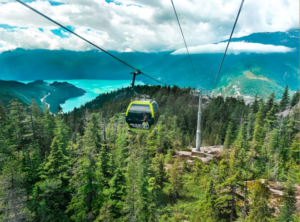
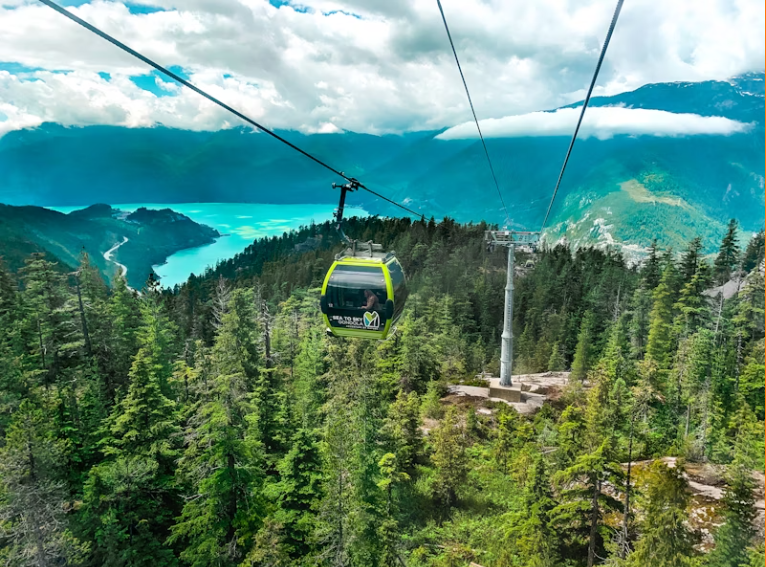
For some developments, ropeway access Philippines solutions may support passenger movement across challenging terrain. Other projects may require specialized cable mobility for industrial operations, maintenance activities, tourism facilities, or infrastructure.
Proper engineering helps determine which system configuration suits the site. Engineers must consider route length, elevation, cable movement, expected loads, support locations, environmental exposure, operational requirements, and maintenance needs.
Why Ropeway Access Matters for Challenging Sites
Terrain can make conventional access difficult, expensive, or inefficient. Steep slopes, large elevation changes, remote areas, waterways, restricted construction zones, and complex structures can create significant access limitations.
A properly engineered ropeway system can provide controlled movement along a planned route while reducing dependence on conventional ground transportation.
Potential applications include:
- Mountain resorts
- Adventure parks
- Tourist destinations
- Industrial facilities
- Infrastructure developments
- Remote project sites
- Construction projects
- Specialized maintenance operations
- Difficult terrain
- Large properties requiring dedicated cable mobility
For a ropeway access Philippines project, site conditions should guide system development. A solution designed for a mountain resort may have very different requirements from one intended for industrial equipment movement.
This project-specific approach helps ensure that the final system matches its intended function.
Where Ropeway Systems Can Support Philippine Projects
The Philippines has diverse terrain, with mountainous areas, coastal developments, dense urban environments, tourism destinations, and large industrial sites. Such conditions can create different access requirements from one project to another.
Ropeway systems may offer value for projects where elevation, distance, terrain, or restricted ground routes affect mobility.
Mountain and Resort Developments
Tourism and resort projects may require transportation solutions capable of navigating slopes, valleys, or elevated destinations. Ropeway systems can support passenger movement while providing a defined route between selected locations.
Adventure Parks
Zipline and ropeway systems can serve recreational developments that require engineered cable routes, support structures, controlled movement, and carefully assessed loads.
Industrial Facilities
Industrial sites may require specialized movement solutions where conventional access routes are unsuitable for certain equipment or operational tasks.
Infrastructure Projects
Large infrastructure developments may involve difficult terrain, elevated structures, or remote areas. Specialized cable systems can support access requirements where conventional methods have limitations.
Remote Locations
Projects located far from conventional roads or transportation routes may benefit from engineered cable mobility solutions, subject to proper feasibility and site assessment.
Ropeway Engineering: The Technical Foundation of Reliable Access
Ropeway engineering involves much more than selecting a cable and attaching it between two points. A complete system requires technical evaluation of the route, loads, structures, equipment, movement, safety requirements, and operating conditions.
Key engineering considerations may include:
- Route assessment
- Cable selection
- Structural support requirements
- Load calculations
- Anchorage requirements
- Cable tension
- Support positioning
- Mechanical components
- Environmental conditions
- Installation planning
- Inspection requirements
- Maintenance considerations
- Emergency procedures
Cable engineering is especially important because the cable forms a central part of many ropeway systems. Its characteristics must match the intended application and expected loads.
828 Cable System Inc. identifies cable engineering as part of its service offering, alongside ropeway engineering, zipline engineering, height access solutions, fall protection, and load engineering.
For this reason, businesses searching for ropeway access Philippines services should consider providers capable of addressing multiple engineering requirements rather than focusing solely on equipment supply.
Why Cable Engineering Matters
Cable performance can affect system operation, reliability, and safety. Selection should account for factors such as load, span, movement, tension, environmental exposure, installation requirements, and expected service conditions.
A cable engineering assessment may address:
- Wire rope selection
- Cable diameter
- Strength requirements
- Tension conditions
- Cable movement
- Support arrangements
- Anchorage
- Installation procedures
- Inspection needs
- Replacement considerations
A technically suitable cable can support dependable operation, while incorrect selection may create avoidable operational or maintenance challenges.
This is one reason ropeway access Philippines projects benefit from engineering expertise that covers both cable behavior and overall system requirements.
Ropeway Access for Height-Access Applications
Height access presents another major challenge for commercial buildings, industrial structures, infrastructure, and other elevated facilities.
Workers may need access for:
- Inspection
- Cleaning
- Maintenance
- Repairs
- Construction
- Equipment servicing
- Structural assessment
A complete height-access strategy may involve several systems working together. Depending on project requirements, solutions can include fall arrest systems, guardrails, walkways, building maintenance units, and specialized access equipment.
828 Cable System Inc. provides height access solutions alongside fall protection and ropeway engineering. Its supplied company information also highlights the supply and installation of fall arrest systems, walkways, guardrails, building maintenance units, cable cars, and related systems.
This broader technical capability can be valuable when a project requires both ropeway access and other elevated-access systems.
Zipline Engineering and Ropeway Systems
Zipline systems share several engineering principles with other cable-based systems. Cable selection, route planning, structural supports, loads, braking, user movement, and safety requirements all require careful technical attention.
Zipline engineering may be suitable for:
- Resorts
- Adventure parks
- Tourism facilities
- Outdoor recreation projects
- Commercial attractions
- Specialized recreational developments
A zipline should not be treated as a simple cable installation. Route geometry, cable characteristics, support structures, rider loads, braking requirements, and operational procedures all affect system performance.
828 Cable System Inc. lists zipline engineering among its services, supporting its wider focus on rope, height, cable, and load engineering.
For developers considering ropeway access Philippines solutions for tourism or recreational projects, a provider with both ropeway and zipline engineering capability can offer a broader technical perspective.
Load Engineering: A Critical Part of Ropeway Access
Load engineering plays a major role within cable-based systems. Every ropeway project must account for the forces generated by its intended operation.
Potential load considerations include:
- Passenger loads
- Equipment loads
- Static loads
- Dynamic loads
- Cable tension
- Structural reactions
- Wind forces
- Operational forces
- Support loads
- Emergency conditions
The required engineering approach depends on the application.
A passenger ropeway, for example, may have different loading characteristics from a system designed to move equipment. A zipline may also have different requirements from an industrial cable mobility system.
Load calculations can help guide cable selection, support design, anchorage requirements, and related structural decisions.
828 Cable System Inc. also provides load engineering solutions, with listed services covering overhead cranes, gantry cranes, jib cranes, and automatic hooks.
This range of services reflects a wider capability for projects involving lifting, rigging, cable movement, and load management.
How to Choose a Ropeway Access Provider Philippines Projects Can Rely On
Selecting a ropeway engineering provider requires more than comparing equipment prices. The technical capabilities of the service provider can directly affect project planning, installation, operation, and maintenance.
Here are several factors worth considering.
Engineering Expertise
Look for a company with experience across rope, cable, height, structural, and load-related applications. A multidisciplinary approach can help address interconnected project requirements.
Site Assessment
A qualified provider should review site conditions before recommending a system. Terrain, elevation, route length, structures, loads, environmental exposure, and operational goals all matter.
Design and Installation Capability
Ask whether the provider can support both engineering and installation. Having technical knowledge throughout the project can help maintain consistency between design requirements and field implementation.
Safety Focus
Safety should receive serious attention during system development. Fall protection, structural integrity, cable performance, load conditions, access procedures, emergency planning, inspection, and maintenance should all receive appropriate consideration.
Industry Experience
Experience with rigging, cable systems, height access, fall protection, ropeway systems, and load engineering can help a provider understand the practical challenges associated with complex installations.
Regional Service Capability
Project owners may also benefit from a provider capable of supporting projects across different locations. 828 Cable System Inc. states that it serves the Philippines and projects throughout Asia.
Why Work With 828 Cable System Inc. for Ropeway Access Philippines Projects?
828 Cable System Inc. brings together specialized services covering several areas related to cable mobility and access.
Its company profile identifies the organization as a service company founded within the Benedicto Steel Group to address service requirements from the rigging industry. Its work covers wire rope-related projects, fall protection, height access solutions, ropeway engineering, and other cable-related services across the Philippines and Asia.
Its service categories include:
- Height Access Solutions
- Cable Engineering
- Ropeway Engineering
- Zipline Engineering
- Load Engineering
- Overhead Crane
- Gantry Crane
- Jib Crane
- Automatic Hooks
The company also highlights supply and installation capabilities for fall arrest systems, walkways, guardrails, building maintenance units, cable cars, and related systems.
For businesses looking for ropeway access Philippines services, this combination of engineering disciplines can provide a useful starting point for complex projects involving height, cable, rope, and load requirements.
A Broader Engineering Capability for Complex Projects
Ropeway systems rarely exist as completely isolated components. A project may require several related systems to operate safely and effectively.
For example, a large development may require:
Fall Protection → Height Access → Cable Engineering → Ropeway Engineering → Zipline Engineering → Load Engineering
Each area addresses a different technical requirement.
Fall protection can address worker safety. Height access can support maintenance and inspection. Cable engineering can address wire rope and cable movement. Ropeway engineering can address cable-supported mobility. Zipline engineering can support recreational applications. Load engineering can address forces associated with equipment, structures, and movement.
Having access to several related capabilities can make project coordination more straightforward.
Key Factors to Consider Before Starting a Ropeway Access Project
Before starting a ropeway access Philippines project, project owners and developers should gather relevant technical information.
Important considerations include:
Site Location and Terrain
Identify slopes, elevation changes, ground conditions, access routes, and potential obstacles.
Route Distance
Determine the proposed distance between stations, access points, structures, or operating areas.
Intended Application
Clarify whether the system will transport passengers, equipment, materials, or support another specialized activity.
Load Requirements
Determine expected operating loads and other forces that may affect the cable and support structures.
Cable Requirements
Cable type, diameter, strength, movement, tension, and environmental exposure should match the intended application.
Structural Support
Assess where support structures, anchors, foundations, and other structural components may be required.
Environmental Conditions
Wind, rain, corrosion exposure, temperature, terrain, and other environmental factors may affect system design and maintenance.
Installation Logistics
Consider transportation, equipment access, construction sequencing, lifting requirements, site restrictions, and installation procedures.
Maintenance and Inspection
A ropeway system requires appropriate inspection and maintenance planning throughout its service life.
Emergency Planning
Projects should consider appropriate emergency procedures based on system type, operating conditions, users, and site characteristics.
Ropeway Access Philippines: Building Practical Cable Mobility Solutions
Ropeway access can provide an effective approach for projects facing difficult terrain, elevated locations, remote areas, or specialized mobility requirements. Yet successful implementation depends on careful engineering.
Cable selection, structural support, load assessment, route planning, installation, safety systems, inspection, and maintenance all contribute to system performance.
For that reason, organizations searching for ropeway access Philippines solutions should look beyond equipment supply and consider the engineering capabilities behind the proposed system.
828 Cable System Inc. specializes in rope, height, cable, and load engineering, with services covering fall protection, height access, ropeway engineering, zipline engineering, and related load solutions. Its stated service coverage extends across the Philippines and throughout Asia.
For projects requiring specialized cable mobility, height access, or ropeway engineering, a detailed project assessment can help identify suitable technical solutions.
Takeaway
A successful ropeway access Philippines project starts with proper engineering.
Every project has different terrain, route requirements, loads, structures, environmental conditions, operating needs, and safety considerations. A carefully planned system can provide controlled cable mobility while supporting practical access requirements for industrial, infrastructure, tourism, recreational, and specialized applications.
828 Cable System Inc. combines rope, cable, height, and load engineering capabilities to support complex projects. Its services include ropeway engineering, zipline engineering, cable engineering, height access solutions, fall protection, and load engineering.
For a ropeway, cable, zipline, or specialized height-access project, working with an experienced engineering provider can help create a solution suited to the project’s actual requirements.
Frequently Asked Questions About Ropeway Access Philippines
What is ropeway access?
Ropeway access refers to cable-based systems designed to transport people, equipment, materials, or loads along a planned route. Such systems can support projects where terrain, elevation, distance, or restricted ground access creates challenges.
Where can ropeway access systems be used?
Potential applications include resorts, tourism developments, adventure parks, industrial facilities, infrastructure projects, remote locations, and other sites requiring specialized cable mobility.
What does ropeway engineering involve?
Ropeway engineering may involve route planning, cable selection, structural supports, load calculations, anchorage, cable tension, mechanical systems, safety considerations, installation planning, inspection, and maintenance requirements.
Does 828 Cable System Inc. provide ropeway engineering Philippines projects?
Yes. Ropeway engineering is listed among 828 Cable System Inc.’s specialized services. The company also provides cable engineering, height access solutions, fall protection, zipline engineering, and load engineering.
Does 828 Cable System Inc. provide zipline engineering?
Yes. Zipline engineering is part of the company’s listed service portfolio, alongside ropeway engineering and other cable-related solutions.
Why is load engineering important for ropeway systems?
Load engineering helps assess forces associated with passengers, equipment, cables, structures, movement, and environmental conditions. These assessments can guide cable selection, structural requirements, support design, and related engineering decisions.
What other services does 828 Cable System Inc. provide?
Its listed services include height access solutions, cable engineering, ropeway engineering, zipline engineering, load engineering, overhead cranes, gantry cranes, jib cranes, and automatic hooks.
Does 828 Cable System Inc. serve projects outside the Philippines?
The company’s supplied profile states that its wire rope-related services cover the Philippines and extend throughout Asia.
How can I start a ropeway access Philippines project?
Start by defining the project’s location, intended application, route, elevation, expected loads, operating requirements, and access challenges. A specialized engineering provider can then assess these requirements and determine suitable cable, structural, load, safety, and installation considerations.