Construction projects require a reliable understanding of the soil conditions beneath every structure. Geotechnical Soil Investigation plays a critical role in assessing soil properties to ensure safe, stable, and durable foundations. By analyzing soil density, composition, and consistency, engineers and builders can make informed decisions about foundation design, material requirements, and construction techniques. Choosing a laboratory with proven expertise and accreditation ensures that all evaluations meet local and international standards.
What is Geotechnical Soil Investigation?
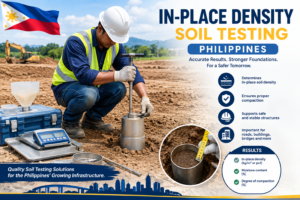
Geotechnical Soil Investigation refers to the systematic examination and analysis of soil and subsoil at construction sites. The process evaluates key characteristics of soil such as density, compaction, moisture content, permeability, and strength. Accurate soil assessment prevents structural problems such as settlement, cracking, or foundation failure, which can result in significant repair costs and safety risks. Geotechnical Soil Investigation also informs decisions about excavation, piling, and other foundation methods to match the soil’s load-bearing capacity.
Through a combination of field and laboratory testing, engineers obtain a comprehensive profile of subsurface conditions. This information is essential for designing foundations, roads, bridges, and other infrastructure projects that require high reliability and durability. Understanding soil behavior under varying loads and environmental conditions allows construction teams to anticipate potential challenges and implement cost-effective solutions.
Standard Penetration Test (SPT) Explained
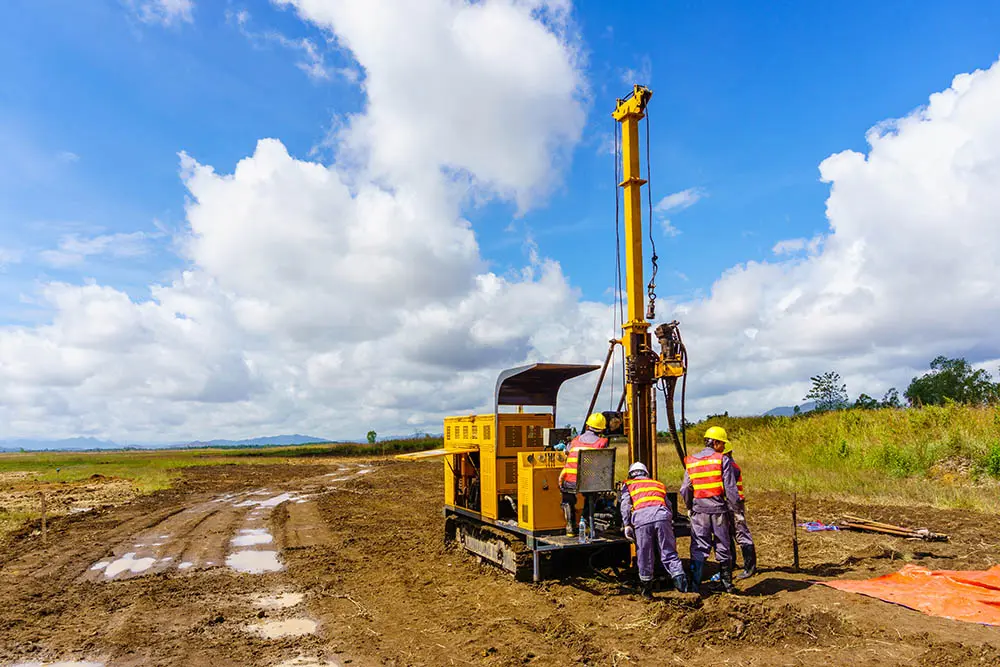
The Standard Penetration Test (SPT) remains a cornerstone of Geotechnical Soil Investigation. SPT measures soil resistance to penetration, providing data on density and consistency that informs foundation design. The test involves driving a split-barrel sampler into the soil at the bottom of a borehole using a standardized weight and drop height. The number of hammer blows required to advance the sampler a specified distance is recorded as the N-value, which reflects soil strength and compaction.
SPT results are valuable for determining soil stratification, detecting loose or dense layers, and assessing potential settlement risks. The test is widely accepted in engineering practice and is frequently referenced in design codes for foundations and earthworks. By incorporating SPT findings into project planning, engineers can ensure structures are adequately supported and resilient against soil-related hazards.
Inch-On Materials Testing Laboratory: Expertise and Accreditation
Inch-On Materials Testing Laboratory provides professional Geotechnical Soil Investigation services across the Philippines. Established in November 2018, the laboratory is DPWH-BRS accredited, ensuring compliance with rigorous standards set by the Department of Public Works and Highways – Bureau of Research and Standards. Inch-On operates as an independent laboratory dedicated to verifying the quality of soil and construction materials.
The laboratory performs both in-situ and laboratory testing using specialized equipment and methods aligned with ASTM and AASHTO standards. This combination of field and laboratory capabilities allows Inch-On to deliver reliable results that support safe foundation design, structural integrity, and long-term project performance. By working with an accredited laboratory, developers, contractors, and engineers can access verified data for accurate construction planning and regulatory compliance.
Field Testing Services
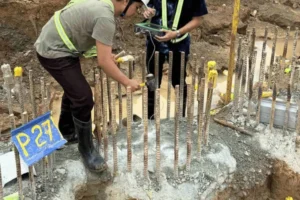
Field testing forms a crucial component of Geotechnical Soil Investigation. Conducted directly at construction sites, these tests provide real-time data on soil and material performance under actual conditions. Field testing evaluates soil, concrete, and pile foundations to determine their behavior under load, detect potential weaknesses, and confirm compliance with engineering specifications.
Key field testing services include the Standard Penetration Test (SPT), soil sampling and classification, concrete slump and compressive strength testing, pile integrity assessment, and subsurface investigation. Each test follows international standards to maintain accuracy and reliability. Field results offer engineers insight into natural soil conditions, variations across the site, and potential challenges for excavation and foundation work. Combining these results with laboratory testing ensures that construction decisions are fully informed and grounded in precise data.
Laboratory Testing Services
Laboratory testing complements field testing by providing controlled, detailed evaluations of soil and construction materials. During Geotechnical Soil Investigation, soil samples, concrete specimens, and aggregates are analyzed to determine critical properties such as moisture content, density, Atterberg limits, compaction characteristics, permeability, and strength.
Laboratory tests allow engineers to identify subtle differences in soil behavior that might not be apparent through field observation alone. Accurate laboratory data ensures materials meet regulatory requirements and project specifications. Soil classification, moisture analysis, compaction testing, and concrete evaluation are essential steps that reduce the risk of foundation issues and enhance structural durability. Laboratory testing also provides valuable documentation for project records, permitting processes, and quality assurance.
Benefits of Comprehensive Geotechnical Soil Investigation
Performing thorough Geotechnical Soil Investigation offers multiple advantages for construction projects. One of the most significant benefits is the assurance of safe and stable foundations. Accurate soil assessment prevents structural problems that can lead to costly repairs or project delays. By understanding the soil’s load-bearing capacity, engineers can design foundations that distribute weight efficiently, reduce settlement, and enhance overall stability.
Another benefit is risk mitigation. Soil conditions can vary significantly across a site, and unexpected variations may compromise construction quality. Geotechnical Soil Investigation identifies these variations early, allowing teams to adjust foundation designs, select appropriate materials, and adopt effective construction techniques.
Compliance with local building codes and international standards is another important advantage. Accredited laboratories like Inch-On Materials Testing Laboratory provide verified data that satisfies DPWH and other regulatory requirements. Proper documentation and certification support project approvals, inspections, and long-term monitoring.
Finally, Geotechnical Soil Investigation contributes to sustainability and cost-efficiency. By optimizing foundation design and selecting suitable materials, projects reduce waste, avoid over-engineering, and ensure long-term durability. The combined use of field and laboratory testing maximizes the accuracy of soil assessments, making projects more reliable and environmentally responsible.
Choosing the Right Laboratory Partner
Selecting a qualified laboratory is essential for accurate Geotechnical Soil Investigation. Key considerations include accreditation, experience, testing methods, and equipment quality. Working with a DPWH-BRS accredited laboratory like Inch-On ensures compliance with Philippine construction standards and access to validated results.
Experience and specialization in soil and construction material testing enhance the laboratory’s ability to handle complex projects, provide actionable insights, and resolve site-specific challenges. Advanced equipment and adherence to recognized standards such as ASTM and AASHTO guarantee consistent, reproducible results. Partnering with a trusted laboratory simplifies project planning, reduces risk, and supports safe, reliable, and durable construction outcomes.
Takeaway
Geotechnical Soil Investigation forms the foundation of safe and stable construction projects. Accurate assessment of soil properties through field and laboratory testing prevents structural problems, minimizes risks, and ensures compliance with building standards. Inch-On Materials Testing Laboratory provides professional, accredited services that deliver precise and reliable soil evaluation for projects across the Philippines. Developers, engineers, and construction teams benefit from the combination of in-situ testing, laboratory analysis, and expert consultation, ensuring structures remain safe, durable, and long-lasting.
Professional Geotechnical Soil Investigation is essential for any construction project. By relying on accredited laboratories and standardized testing methods, projects can achieve optimal foundation design, reduce unforeseen costs, and maintain high safety standards.
Frequently Asked Questions (FAQ)
What is the purpose of Geotechnical Soil Investigation?
Geotechnical Soil Investigation evaluates soil properties, including density, strength, and composition, to support safe and stable foundation design and prevent structural problems.
What does the Standard Penetration Test (SPT) measure?
The SPT measures soil resistance to penetration using a split-barrel sampler and standardized hammer blows. The results indicate soil density, consistency, and load-bearing capacity.
Why is laboratory testing important for soil investigation?
Laboratory testing provides detailed evaluation of soil and construction materials under controlled conditions, confirming compliance with project specifications and standards.
How does field testing differ from laboratory testing?
Field testing collects real-time data directly on the construction site, while laboratory testing examines samples under controlled conditions to measure detailed soil and material properties.
Why should I choose a DPWH-BRS accredited laboratory?
Accredited laboratories meet rigorous quality standards, ensuring reliable test results that comply with Philippine construction regulations and industry best practices.
Can Geotechnical Soil Investigation prevent foundation failures?
Yes, comprehensive soil evaluation identifies potential risks, informs proper foundation design, and reduces the likelihood of settlement, cracking, or structural failure.