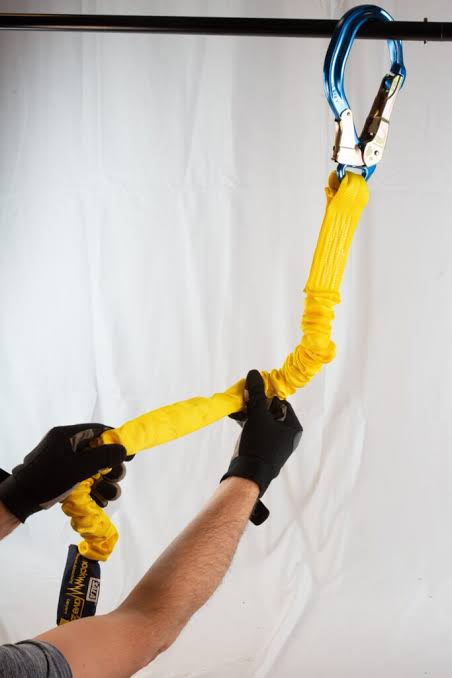
A safe workplace starts with using the right fall protection equipment, especially when employees perform tasks at elevated heights. A Self Retracting Lanyard is one of the most dependable devices available for reducing fall hazards while giving workers the flexibility to move comfortably. Unlike fixed-length lanyards that leave excess slack, a Self Retracting Lanyard automatically extends and retracts with the user’s movements. This feature helps minimize free-fall distance and allows the braking mechanism to activate almost instantly during a fall. As a result, workers receive dependable protection without sacrificing mobility or productivity. Whether the job involves construction, maintenance, telecommunications, or industrial operations, understanding how a Self Retracting Lanyard functions can help create a safer work environment and support compliance with workplace safety standards.
What Makes a Self Retracting Lanyard Different?
A Self Retracting Lanyard is designed to maintain continuous tension on the lifeline while allowing workers to move naturally throughout their work area. Instead of leaving several feet of unused webbing or cable hanging loose, the device keeps the line neatly retracted inside its housing. This design greatly reduces tripping hazards and prevents the lifeline from becoming tangled around equipment or structures. When the worker changes position, the lifeline extends smoothly and retracts automatically without requiring manual adjustment. If a sudden fall occurs, the internal braking mechanism locks almost immediately to stop the descent within a short distance. This rapid response reduces the force placed on the worker’s body compared to longer free falls. These features make a Self Retracting Lanyard a valuable component of a complete personal fall arrest system.
How a Self Retracting Lanyard Improves Workplace Safety
Using a Self Retracting Lanyard provides more than simple fall protection. It actively helps reduce many of the risks associated with working at height. Since the lifeline remains under constant tension, workers are less likely to trip over loose equipment while moving around elevated platforms. The quick-locking mechanism minimizes free-fall distance, reducing both injury severity and the possibility of striking lower levels. Workers can move more confidently because the equipment follows their movements instead of restricting them with excess slack. Improved mobility often leads to greater efficiency when climbing ladders, inspecting equipment, or installing materials. Employers also benefit by strengthening their workplace safety programs and demonstrating their commitment to protecting employees. When combined with proper training and safe work procedures, a Self Retracting Lanyard becomes an essential tool for reducing fall-related incidents.
Key Parts of a Self Retracting Lanyard
Every Self Retracting Lanyard contains several carefully engineered components that work together to provide reliable fall protection. The housing protects the internal mechanisms from dust, moisture, and accidental impacts that may occur on busy job sites. Inside the housing is a retractable lifeline made from webbing, galvanized cable, or synthetic rope depending on the intended application. A powerful spring mechanism controls the extension and retraction of the lifeline during normal worker movement. The internal braking system is responsible for locking the lifeline instantly whenever sudden acceleration is detected. Heavy-duty connectors, swivels, and snap hooks create secure attachment points between the worker’s harness and the anchorage system. Many models also include visual fall indicators and inspection labels that help users determine whether the equipment remains suitable for service.
Selecting the Right Self Retracting Lanyard for the Job
Choosing the right Self Retracting Lanyard requires careful consideration of the work environment and the hazards present. The first step is identifying the maximum working height and calculating the available fall clearance below the worker. Different job sites may require webbing, cable, or leading-edge lifelines depending on surrounding materials and potential hazards. Weight capacity is another important factor because the selected equipment must safely support the worker along with any tools or materials being carried. Employers should also verify compatibility between the Self Retracting Lanyard, the full-body harness, connectors, and anchor points. Environmental conditions such as rain, chemicals, heat, dust, or corrosive substances can influence which model performs best. Reviewing manufacturer recommendations ensures the selected equipment matches the intended application and complies with applicable safety standards.
Common Applications Across Different Industries
The versatility of a Self Retracting Lanyard makes it useful across a wide range of industries. Construction workers depend on these devices while installing steel frameworks, roofing systems, and concrete structures at elevated heights. Manufacturing facilities use Self Retracting Lanyards during equipment maintenance, overhead repairs, and production line servicing. Utility companies rely on them when employees access transmission towers, substations, and electrical infrastructure. Telecommunications technicians frequently wear Self Retracting Lanyards while climbing communication towers and installing network equipment. Wind energy facilities use them during turbine inspections and maintenance activities where reliable fall protection is essential. Warehouses, distribution centers, and facility maintenance teams also benefit from using Self Retracting Lanyards when working on elevated storage systems, overhead lighting, or building infrastructure.
Best Practices for Safe Operation
Owning a quality Self Retracting Lanyard is only part of an effective fall protection strategy. Workers should always inspect the equipment before every use to identify cuts, abrasions, corrosion, broken connectors, or damaged housings. The lifeline should extend and retract smoothly without hesitation or unusual resistance. Anchor points should be positioned directly above the worker whenever possible to reduce the risk of swing falls. Users should never exceed the manufacturer’s weight limits or connect the equipment to structures that cannot safely support fall arrest loads. Regular training helps workers understand proper attachment methods, rescue procedures, and equipment limitations. Following these best practices improves both worker safety and the overall effectiveness of the fall protection system.
Inspection and Maintenance Guidelines
Routine inspection and maintenance are essential for keeping a Self Retracting Lanyard in dependable working condition. Daily inspections performed by the user help identify visible signs of damage before work begins. Qualified personnel should also conduct detailed inspections at the intervals recommended by the manufacturer. The housing should be checked for cracks, dents, corrosion, and loose hardware that could affect performance. Lifelines should be examined for fraying, cuts, broken wires, chemical damage, or excessive wear. After cleaning with approved methods, the equipment should be stored in a cool, dry location away from direct sunlight, moisture, and harsh chemicals. Maintaining accurate inspection records helps organizations monitor equipment condition and replace devices before they become unsafe.
Common Mistakes That Can Reduce Protection
Even the highest-quality Self Retracting Lanyard cannot provide effective protection if it is used incorrectly. One common mistake is attaching the lanyard to an anchor point that is not rated for fall arrest loads. Another frequent issue is failing to perform routine inspections before each use, allowing damaged equipment to remain in service. Workers may also underestimate the importance of maintaining adequate fall clearance beneath the work area. Allowing the lifeline to travel over sharp edges without using equipment designed for leading-edge applications can damage the line and compromise safety. Mixing incompatible connectors or fall protection components from different systems may prevent proper operation during an emergency. Avoiding these mistakes helps ensure the Self Retracting Lanyard performs as intended when it is needed most.
Why Training Is Just as Important as Equipment
A Self Retracting Lanyard performs best when workers understand how to use it correctly. Safety training teaches employees how to inspect the equipment, identify workplace hazards, and connect the lanyard properly before beginning work. Training also covers fall clearance calculations, emergency rescue planning, and proper anchor selection. Employees who understand the limitations of their equipment are less likely to misuse it or develop unsafe work habits. Refresher training reinforces safe practices and keeps workers informed about updated procedures or equipment improvements. Employers who invest in ongoing education create stronger safety cultures and encourage greater accountability among their teams. Combining quality equipment with knowledgeable workers significantly reduces the likelihood of fall-related incidents.
Supporting OSHA and ANSI Compliance
Using a certified Self Retracting Lanyard helps organizations meet workplace safety expectations established by OSHA and ANSI. These standards provide guidance for equipment performance, inspection requirements, training, and proper use. Employers are responsible for evaluating workplace hazards and supplying appropriate fall protection equipment whenever employees face fall risks. They must also ensure workers receive adequate instruction on inspection procedures, equipment limitations, and emergency response plans. Employees share responsibility by using the equipment correctly and reporting damaged components immediately. Choosing certified products from reputable manufacturers supports regulatory compliance while improving confidence in the workplace safety program. Staying current with evolving safety requirements allows businesses to continuously improve their fall protection practices.
Frequently Asked Questions
What is a Self Retracting Lanyard used for?
A Self Retracting Lanyard is used to protect workers from falls while working at elevated heights by automatically locking during a fall and reducing free-fall distance.
Can a Self Retracting Lanyard replace a standard lanyard?
It depends on the job requirements. Many workplaces prefer a Self Retracting Lanyard because it provides greater mobility and shorter fall arrest distances than traditional fixed-length lanyards.
How often should a Self Retracting Lanyard be inspected?
Workers should inspect the equipment before every use, while qualified personnel should complete detailed inspections according to the manufacturer’s schedule and workplace safety requirements.
Can a Self Retracting Lanyard be used outdoors?
Yes. Many models are designed for outdoor environments, although users should select equipment appropriate for weather conditions, corrosion risks, and exposure to harsh elements.
What should I do if the equipment arrests a fall?
Any Self Retracting Lanyard involved in a fall should be removed from service immediately and evaluated according to the manufacturer’s instructions before being used again.
What is the difference between webbing and cable models?
Webbing models are lightweight and often preferred for general applications, while cable models provide greater durability in rugged industrial environments where abrasion resistance is important.
Why is worker training important?
Training ensures workers understand how to inspect, wear, connect, and operate a Self Retracting Lanyard correctly while recognizing workplace hazards and following established safety procedures.
Takeaway
A Self Retracting Lanyard plays a critical role in protecting workers who perform tasks at elevated heights. Its automatic retraction system, rapid locking mechanism, and ability to reduce free-fall distance make it one of the most effective forms of personal fall protection available today. Selecting equipment that matches the work environment, performing regular inspections, and following proper operating procedures all contribute to a safer workplace. Ongoing training and compliance with recognized safety standards further strengthen fall protection programs and help reduce workplace risks. By making a Self Retracting Lanyard an integral part of every job involving height, organizations can support employee safety, improve operational efficiency, and build a stronger culture of workplace protection.