Working at height is part of many construction, maintenance, inspection and facility management activities across Singapore. Roofs, industrial structures, commercial buildings, warehouses and elevated work areas can all expose workers to significant fall hazards. A properly planned fall protection system can help reduce these risks by providing workers with secure attachment points and suitable protection equipment. This is where Anchor point solutions Singapore can play an important role in workplace safety planning. Anchor points provide designated connection locations for compatible fall protection equipment such as full body harnesses, energy-absorbing lanyards and self-retracting lifelines. However, selecting an anchor should involve more than choosing a strong-looking piece of hardware. The building structure, work activity, worker movement, fall clearance, equipment compatibility and inspection requirements should all be considered before a system is installed.
Why Anchor Point Solutions Matter for Work at Height
Falls from height can result from many different circumstances, including slips, loss of balance, unsafe access routes and unexpected movement around exposed edges. Even routine maintenance work can become hazardous when workers need to operate close to roof edges, openings or elevated platforms. An anchor point provides a designated location where suitable personal fall protection equipment can be connected. When correctly designed and installed, the system can help control a worker’s exposure to fall hazards during specific work activities. Anchor point solutions Singapore are particularly relevant for buildings where regular roof access or elevated maintenance is required. Businesses may need reliable protection for activities such as air-conditioning servicing, roof inspection, solar panel maintenance, façade work and equipment repairs. A properly designed system can also make planned maintenance safer by giving workers clearly defined connection points rather than relying on unsuitable structural features.
What Are Anchor Point Solutions?
An anchor point is a structural attachment location designed for connection to a suitable fall protection system. Depending on the application, an anchor may be permanently installed or designed for temporary use. Fixed roof anchors, overhead anchors and other anchorage devices can form part of a wider fall protection arrangement. The anchor must be suitable for the structure and compatible with the equipment being used by the worker. A full body harness, connecting device and anchor point should therefore be viewed as parts of one complete protection system. Different work environments may require individual anchor points, horizontal lifelines, vertical lifelines or overhead systems depending on how workers need to move. Understanding these differences helps businesses choose an arrangement that supports the actual work rather than simply purchasing a generic fall protection product.
Common Types of Anchor Point Systems Used in Singapore
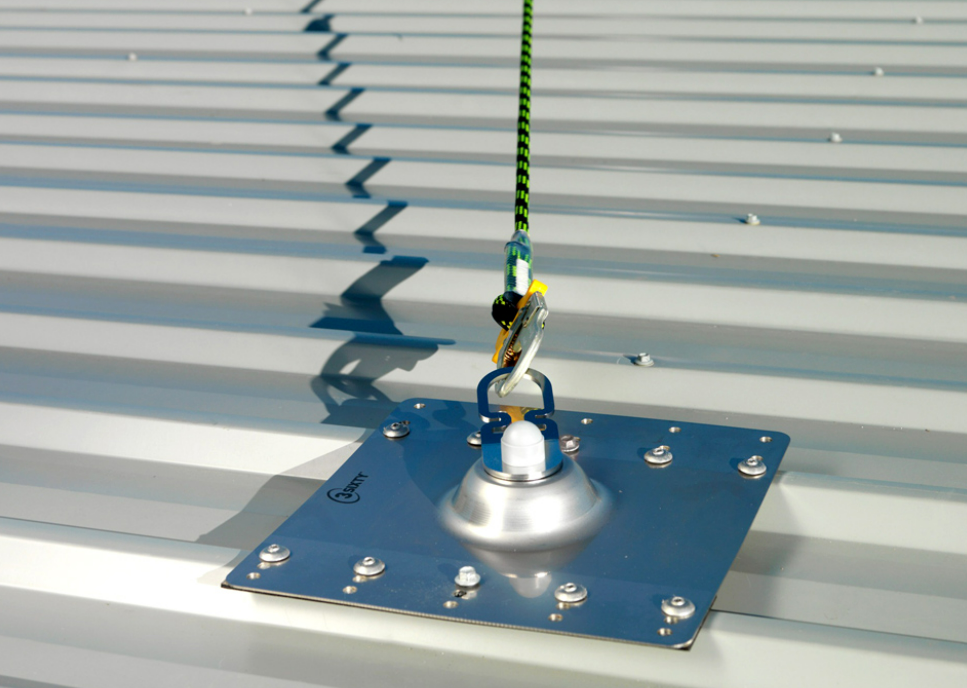
Fixed roof anchor points are commonly considered for buildings where workers need regular access to elevated areas for inspection and maintenance. These anchors can provide designated attachment locations around suitable structural areas of a roof. Horizontal lifeline systems may be more appropriate when workers need to travel across a longer roof section while remaining connected. Vertical lifeline systems can support movement along ladders or other vertical access routes where a worker needs continuous connection during ascent or descent. Overhead systems can provide an attachment point above the worker and may be useful for certain industrial or maintenance applications. Temporary anchor points may also be used for specific tasks where a permanent system is not practical, provided the selected equipment and supporting structure are suitable. Choosing between these options requires consideration of the building, task, movement pattern and intended method of fall protection.
How Anchor Point Solutions Support Fall Protection
An anchor point forms one part of a larger personal fall protection arrangement. A typical system may include a full body harness connected to an energy-absorbing lanyard or self-retracting lifeline, with the connecting device attached to an appropriate anchor. Fall restraint systems are designed to help prevent a worker from reaching a hazardous edge, while fall arrest systems are designed to arrest a fall after it occurs. Work positioning arrangements have different purposes and should be selected according to the task and applicable requirements. The type and location of the anchor can affect how the overall system performs during normal work and during a fall event. Workers should also understand how to connect, inspect and use the equipment correctly before entering an elevated work area. A strong anchor alone does not create a complete fall protection system, because the harness, connectors, clearance and other components must also be suitable.
Key Factors When Choosing Anchor Point Solutions Singapore
The first consideration should be the structure supporting the anchor point. Concrete, steel, metal roofing systems and other structural materials can have different characteristics, so the attachment method must be suitable for the actual substrate. The type of work is another important consideration because a worker carrying out roof inspection may have different requirements from a technician servicing equipment at a fixed elevated location. Worker movement should also be assessed to determine whether individual anchor points provide enough coverage or whether a lifeline system would be more appropriate. Fall clearance needs careful attention because the available distance below a worker can affect whether a fall arrest arrangement provides adequate protection. Swing-fall exposure should also be considered when workers may move horizontally away from their attachment point. Businesses should therefore assess the complete work area before selecting Anchor point solutions Singapore, rather than choosing equipment based only on price or convenience.
Where Anchor Point Systems Are Commonly Used
Commercial buildings often require roof access for air-conditioning, electrical, cleaning and general maintenance activities. Industrial facilities may need protection around machinery, elevated platforms, production equipment and maintenance areas. Construction sites can also require suitable anchorage arrangements while workers carry out structural, roofing or installation tasks. Warehouses may need fall protection for roof inspections, lighting maintenance, ventilation work and other elevated activities. Solar panel installations create another important application because panels may require regular cleaning, inspection, servicing and repairs. Building owners may also need systems for façade maintenance or other activities close to exposed edges. Each environment has different hazards, so the most suitable fall protection systems Singapore should be selected after considering the structure, work process and access requirements.
Designing an Effective Anchor Point Layout
A good anchor point layout should reflect how workers actually move around the work area. Designers and safety professionals should identify access routes, roof edges, fragile surfaces, skylights, openings, obstacles and regular maintenance locations. Anchor positions should allow workers to connect to their protection system before entering an exposed area wherever practical. The layout should also reduce unnecessary movement close to unprotected edges. For larger roofs, a combination of fixed anchors and a horizontal lifeline system may provide more practical coverage than isolated attachment points. Designers should consider normal maintenance activities as well as potential rescue requirements when planning the system. A carefully planned layout can make roof anchor points Singapore more useful because workers can access the required areas while maintaining an appropriate connection to their fall protection equipment.
Structural Assessment and Installation Requirements
An anchor point should be attached to a suitable structural element rather than simply fixed to the most convenient surface. Structural assessment can help determine whether the selected location and fixing method are appropriate for the intended application. Factors such as substrate type, structural condition, fastener compatibility, anchor orientation and installation method may all affect system performance. Manufacturer instructions should be followed carefully because different products can have specific requirements for installation and use. Installation should be carried out by suitably competent personnel with the knowledge required for the selected system. Improper installation can compromise an otherwise high-quality anchor point and may create a false sense of security for workers. For this reason, professional assessment and installation should form an important part of any anchor point installation project.
Standards, Regulations and Good Practice in Singapore
Businesses responsible for work at height should understand the workplace safety requirements that apply to their activities in Singapore. Work-at-height planning should consider risk assessment, suitable equipment, worker competency, safe access and appropriate control measures. Product documentation and technical specifications should also be reviewed before a fall protection system is selected. Where recognised standards apply to a particular anchor, lifeline or connecting device, buyers should verify that the equipment meets the relevant requirements for its intended use. Certification and manufacturer documentation can provide useful information about product performance, installation and limitations. Organisations should avoid treating a product label or general marketing statement as a substitute for proper system assessment. Good practice involves selecting fall arrest systems Singapore based on the actual workplace conditions, equipment requirements and applicable safety obligations.
Inspection and Maintenance of Anchor Point Systems
Regular inspection is essential because anchor points and associated equipment can be affected by environmental exposure, physical damage and general deterioration. Visual checks can identify issues such as corrosion, cracks, deformation, loose components or damaged fixings. The condition of surrounding structural elements should also be considered because an anchor cannot provide reliable protection if the supporting structure has deteriorated. Inspection requirements should follow applicable guidance and the manufacturer’s recommendations for the specific system. Additional inspection may be necessary after a fall arrest event, significant impact, severe environmental exposure or changes to the building structure. Any component showing questionable damage should be assessed appropriately before it is returned to service. A planned inspection and maintenance programme can help organisations keep their fall protection equipment Singapore in suitable condition for ongoing work-at-height activities.
How to Select a Reliable Anchor Point Solutions Singapore Provider
Choosing a provider involves more than comparing the prices of individual anchor devices. Businesses should consider whether the provider can assess the work environment and recommend a system appropriate for the building and intended activity. Technical knowledge is especially important where the project involves complex roof layouts, unusual structural conditions or extensive worker movement. Installation capability is another factor because the quality of the finished system depends heavily on correct installation. Documentation should clearly identify the equipment, installation requirements, inspection needs and limitations of the selected solution. After-sales support can also be valuable when organisations need inspection, maintenance or technical guidance later. A provider that can support assessment, system design, installation and ongoing maintenance may offer a more practical approach than a supplier focused only on product sales.
Common Mistakes to Avoid When Installing or Using Anchor Points
Choosing an anchor based only on its purchase price can create problems if the product is unsuitable for the building or intended work activity. Installing an anchor without considering the supporting structure can also undermine the protection system. Another common issue is failing to calculate sufficient fall clearance beneath the worker. Even when an anchor is correctly installed, the selected lanyard or self-retracting lifeline may require a specific amount of clearance for effective operation. Poor anchor positioning can also increase swing-fall exposure when workers move sideways from their attachment location. Using incompatible harnesses, connectors or other equipment can create additional hazards because the components may not function as intended together. Neglecting inspection and maintenance can further increase risk as equipment becomes exposed to corrosion, wear, impact or environmental conditions.
Anchor Point Solutions for Different Roof and Building Designs
Flat roofs can require strategically positioned anchor points because workers may need to move around equipment, service areas and roof edges. Sloped roofs may require systems designed specifically for movement and protection on inclined surfaces. Metal roofs can present different structural and fixing considerations from reinforced concrete roofs. Industrial roofs may contain fragile surfaces, skylights, ventilation equipment and other obstacles that affect system design. Roof layouts with large maintenance zones may benefit from horizontal lifelines that allow greater worker mobility. Building structures with ladders or vertical access routes may require a vertical lifeline system Singapore option for safer movement along those routes. A site assessment can help identify the most suitable arrangement based on the roof design, structural characteristics and tasks that workers need to perform.
Integrating Anchor Points with a Complete Work-at-Height Safety Plan
Anchor points should be considered as one element of a broader work-at-height safety programme. Other controls may include guardrails, barriers, safe access routes, appropriate personal protective equipment and worker training. Risk assessment should identify hazards before work begins and determine which control measures are appropriate for each activity. Businesses should also consider whether collective protection can reduce exposure before relying solely on personal fall protection equipment. Where personal fall protection is required, workers should understand the correct use and limitations of their harnesses, connectors and anchor systems. Rescue planning is also important because a worker who has experienced a fall may require prompt assistance. A comprehensive safety plan can therefore make work at height safety Singapore more effective by addressing prevention, protection, equipment use and emergency response.
Why Professional Planning Matters for Anchor Point Solutions Singapore
Professional planning can help businesses identify suitable anchor locations before installation begins. A qualified assessment can take account of structural conditions, work activities, access routes and the movement required by workers. It can also help determine whether fixed anchors, horizontal lifelines, vertical systems or overhead arrangements are appropriate. Proper planning may reduce unnecessary equipment purchases by ensuring that the selected system matches the actual requirements of the site. It can also help identify potential issues with fall clearance, swing-fall exposure and access before workers begin using the system. Long-term inspection and maintenance requirements should also be considered when selecting a permanent fall protection arrangement. For businesses seeking Anchor point solutions Singapore, a site-specific approach can provide a more practical foundation for safe and reliable work-at-height operations.
Frequently Asked Questions About Anchor Point Solutions Singapore
What is an anchor point used for?
An anchor point provides a designated attachment location for compatible fall protection equipment. It can form part of a fall restraint, work positioning or fall arrest arrangement depending on the system design. The anchor must be suitable for the structure and the intended application. Workers should use only compatible equipment and follow the relevant manufacturer’s instructions. The position of the anchor can also affect fall clearance and swing-fall exposure. A professional assessment can help identify whether a particular anchor is appropriate for a specific task. Businesses should therefore treat the anchor as one component of a complete fall protection system.
Are roof anchor points suitable for every roof?
No, a roof anchor is not automatically suitable for every roof structure. Different roofs have different materials, structural arrangements, conditions and fixing requirements. The supporting structure should be assessed before selecting and installing an anchor. Fragile roof surfaces and concealed structural elements can create additional challenges. The intended work activity should also be considered because different tasks may require different attachment arrangements. Manufacturer installation requirements must be followed for the selected product. Professional assessment is recommended when determining the appropriate roof safety systems for a particular building.
What equipment can connect to an anchor point?
Depending on the anchor and its intended use, compatible equipment may include full body harnesses, energy-absorbing lanyards and self-retracting lifelines. The connection method must match the specifications of the anchor and the other components. Equipment should not be connected simply because the connector physically fits. Compatibility, intended use and manufacturer requirements should all be checked. Workers should also understand the correct connection procedure before entering an exposed work area. Regular inspection of the connecting equipment is equally important. A complete fall protection system should always be assessed as a combination of compatible components.
How often should anchor points be inspected?
Inspection frequency can depend on the equipment manufacturer’s requirements, site conditions and the nature of use. Regular visual checks can help identify obvious damage, corrosion, deformation and other signs of deterioration. More detailed inspection may be appropriate at scheduled intervals or after particular events. A fall arrest event, structural alteration or significant impact may require additional assessment. Organisations should maintain suitable inspection records where required by their procedures or applicable requirements. Damaged equipment should not be used until its condition has been appropriately assessed. Following a documented inspection programme can support the continued reliability of an anchor point system.
What Users Should Look for When Selecting a Provider
A dependable provider should be able to explain why a particular anchor arrangement is suitable for the intended building and task. Technical information should be available for the proposed products and system components. The provider should also understand structural considerations rather than treating every roof or building as identical. Installation should follow the relevant product requirements and an appropriate site-specific process. Businesses should ask about inspection, maintenance and future support before committing to a system. Clear documentation can also help facility managers understand the location and requirements of installed equipment. Selecting a provider based on technical capability, service quality and system suitability can provide greater value than focusing exclusively on initial purchase price.
Final Thoughts for Businesses Planning Work at Height
Effective fall protection begins with understanding the hazards workers may face and selecting controls that match the actual working environment. Anchor points can provide an important connection between workers and their personal fall protection equipment when the system has been properly designed, installed and maintained. The right solution depends on factors such as structural conditions, roof design, worker movement, fall clearance and the type of task being performed. Fixed anchors may suit certain applications, while horizontal lifelines, vertical systems or overhead arrangements may provide better coverage for others. Inspection, training and rescue planning should also form part of the wider work-at-height safety strategy. Businesses should seek professional guidance when the structural or operational requirements are complex or uncertain. With careful planning and appropriate equipment selection, Anchor point solutions Singapore can form an important part of a structured approach to protecting workers who need to access elevated areas.